









































































Drilling into South Africa's energy future
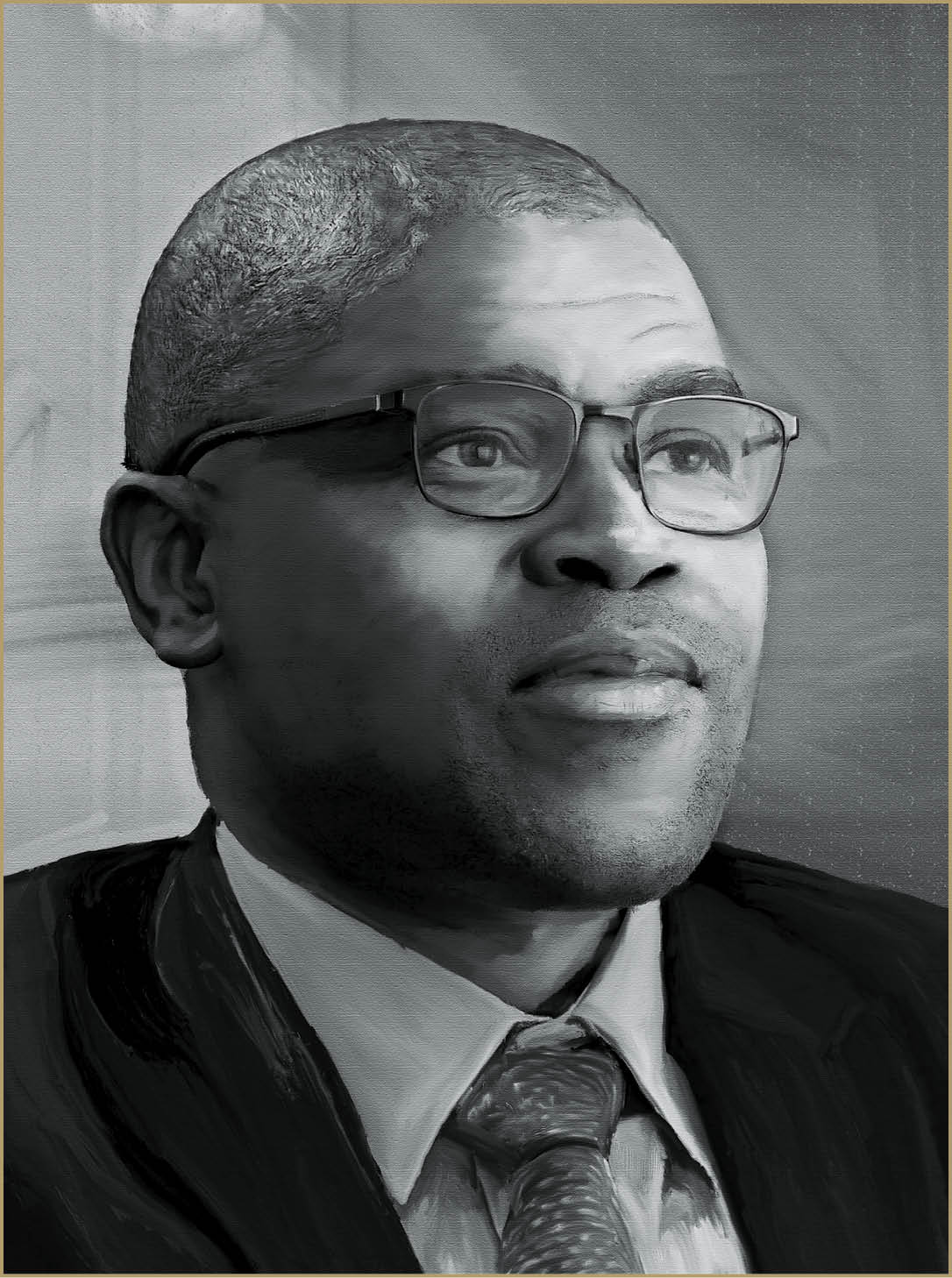
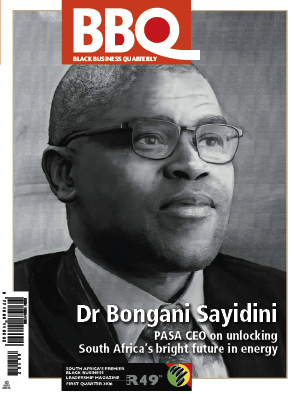
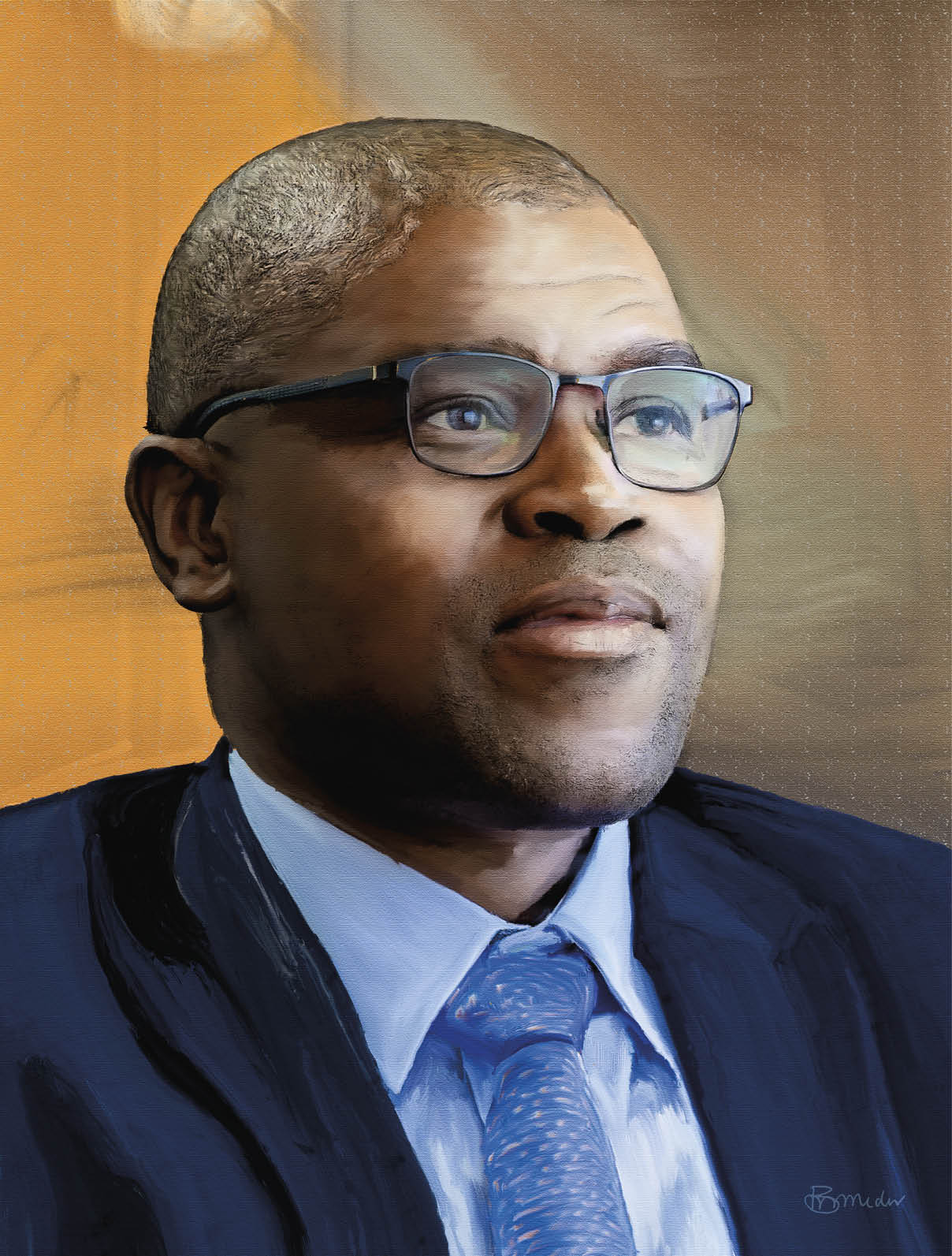
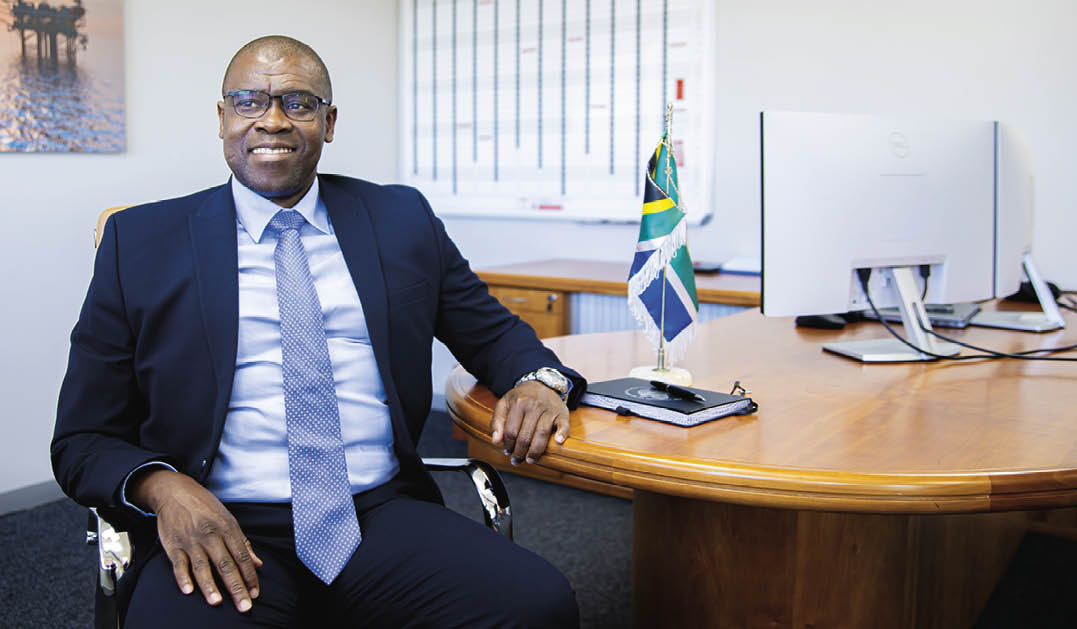
Dr Bongani Sayidini has the strategic vision to help guide the Petroleum Agency South Africa (PASA) to new levels of success. Ralph Staniforth sat down with Dr Sayidini to discuss PASA's work, the sector at large and its challenges, why investors must enter the market, and the bright future waiting to be unlocked.
South Africa stands at a pivotal moment in its energy history. As the country navigates the complexities of energy security, economic growth, and environmental responsibility, the upstream oil and gas sector has emerged as one of the most strategically significant arenas for national development.
At the centre of this landscape is the Petroleum Agency South Africa (PASA), the institution mandated with promoting and regulating the exploration and production of petroleum resources.
Leading this critical organisation since 2025 is Dr Bongani Sayidini, a seasoned industry professional whose career spans engineering, regulatory oversight, and executive leadership in the global energy sector.
With more than two decades of experience and a rare combination of technical, regulatory, and strategic expertise, Dr Sayidini brings both academic depth and practical industry insight to the role.
In a sector defined by scientific uncertainty, long investment horizons, and complex regulatory frameworks, his leadership arrives at a time when South Africa is seeking to unlock its petroleum potential while balancing environmental responsibility and social progress.
For PASA, the mission is clear: to position South Africa as a competitive destination for exploration investment while ensuring that the benefits of resource development translate into tangible economic and social gains.
A career built on learning, understanding, and strategy
Dr Sayidini's professional journey through the petroleum sector reflects a rare blend of disciplines—engineering, business, regulation, and policy.
"I'm a chemical engineer by background, converted to a petroleum engineer through a Master of Science in Petroleum Engineering from Imperial College London (University of London)," he explains. "I've also obtained a Master of Laws in Petroleum Law and Policy from the University of Dundee in Scotland. I have an MBA and a PhD in Oil and Gas Law from the University of Cape Town. I have 25 years of experience in the petroleum industry."
This multidisciplinary background places him among a relatively small group of energy leaders capable of navigating both the technical complexities of petroleum exploration and the regulatory frameworks that rule resource development.
Before assuming the leadership of PASA, initially as its COO and now CEO, Dr Sayidini held several influential roles within the industry. His experience includes strategic and operational responsibilities across the upstream petroleum value chain, including positions in business intelligence, exploration strategy, and regional development.
"I was a strategist in business intelligence at one point," he notes. "I was a regional manager for East Africa upstream business development, a vice president for exploration and production, and acting CEO at PetroSA."
Those roles provided him with an intimate understanding of the global petroleum landscape and the dynamics that shape investment decisions in exploration and production.
More importantly, they offered insight into the delicate balance between commercial interests, national development objectives, and regulatory oversight—an equilibrium that lies at the heart of PASA's mandate.
Leadership rooted in service
Despite his extensive academic and professional achievements, Dr Sayidini's leadership philosophy is grounded in a principle he describes simply as "servant leadership".
Early in his career, soon after graduating as a chemical engineer, he became actively involved in labour representation within the energy sector, which helped shape his approach to leadership.
"Right after graduating with my undergraduate degree in chemical engineering, I joined the trade unions and saw them as a means to serve people, to serve the workforce," he recalls.
Although he was never formally elected as a union shop steward in those early days, his commitment to advocating for colleagues and improving working conditions naturally positioned him as a leader.
"Almost soon after joining the industry, I became a worker leader by default," he says. "I was not a shop steward officially, but I contributed to the betterment of workers in such a way that I emerged as a leader through that process."
That formative period instilled a belief that leadership is less about authority and more about enabling others to succeed.
"I believe in the ability of people to deliver whatever objective they set for themselves or organisationally," he explains. "And I believe people want to make a contribution. As leaders, we just need to provide the conducive environment that enables them to make those contributions."
This philosophy now informs his approach to managing a complex organisation such as PASA, where technical specialists, regulators, policymakers, and industry stakeholders must collaborate to advance national energy objectives.
The strategic role of PASA
For many outside the energy sector, the role of PASA may not be immediately clear. Yet the organisation sits at the centre of South Africa's upstream petroleum ecosystem.
Dr Sayidini describes the agency's mandate in straightforward terms.
"The mandate of the petroleum agency is first and foremost to promote the exploration and production of oil and gas in South Africa," he says. "It is to promote the search for oil and gas and attract investors so that they invest and create value."
But PASA's responsibilities extend beyond promotion and investment facilitation. The agency also acts as the sector's primary regulator.
"We process the applications for rights and ensure that the rights holders comply with their technical work programmes and environmental management programmes," he explains. "So our mandate is to promote exploration and production and regulate the upstream petroleum sector."
This dual role—both promotional and regulatory – places PASA in a unique position within the energy ecosystem. It must encourage exploration investment while simultaneously ensuring strict compliance with environmental, legal, and operational standards.
The task becomes particularly complex in an industry defined by high risk and high reward.
The search for oil and gas is inherently uncertain, requiring massive financial investments and sophisticated technological capabilities. Companies exploring offshore basins often invest hundreds of millions of dollars before a single discovery is made.
Yet when successful, the economic returns can be transformative.
For Dr Sayidini, the significance of oil and gas extends far beyond energy supply. It represents an opportunity for economic transformation.
"The upstream petroleum sector is the biggest industry in the world in terms of value," he says. "It's a highly specialised environment and a highly uncertain one, but it's also a space that can change lives."
History offers numerous examples of countries that have leveraged petroleum resources to accelerate economic development.
"Norway is a case in point," he explains. "It was relatively poor in the late 1960s. Then they discovered oil towards the end of that decade, and today they are among the richest countries in the world."
In Norway's case, petroleum revenues were carefully managed and invested in sovereign wealth funds and social programmes, creating long-term national prosperity.
For South Africa, the potential impact of successful exploration could be equally significant.
To prove his point, Dr Sayidini highlights a gas discovery near Mossel Bay.
"One opportunity near Mossel Bay—considered small by global standards – contains about 3.4 trillion cubic feet of gas," he says. "Once developed, gas could revive the gas-to-liquids refinery in Mossel Bay, which closed in 2020, to run for another 30 years."
The implications would ripple across the regional economy.
"It would sustain about 1 500 direct jobs at the refinery and about 5 000 indirect jobs through supporting services and create 42,500 employment opportunities. It could add something like R22-billion annually to the GDP," he notes, while also generating R25-billion in taxes and royalties for the state.
Such developments could also improve South Africa's balance of payments by reducing reliance on imported energy resources, contributing R25.6 billion through import substitution.
"If you produce oil or gas domestically, it means you are no longer relying on imports," he says. "That improves the balance of payments."
These economic considerations play a central role in PASA's decision-making processes.
"We process applications for rights and issue licences so companies can explore and create value," he explains. "They create value for their shareholders, but they also create value for South African citizens through taxes, development, and job creation."
Balancing regulation, sustainability, and development
As PASA promotes exploration and facilitates investment, it must also safeguard environmental integrity and ensure that petroleum development occurs within South Africa's constitutional and legislative framework. Striking that balance is one of the agency's most complex responsibilities.
According to Dr Sayidini, the foundation for this balance lies within South Africa's Constitution.
"We are guided first and foremost by the Constitution of the Republic," he explains. "Section 24 calls for development to take place in an ecologically sustainable manner while also ensuring economic and social progress."
This constitutional principle is reinforced through legislation such as the Mineral and Petroleum Resources Development Act of 2002 as amended and the National Environmental Management Act of 1998 as amended, which together shape how natural resources are managed and developed.
"These laws recognise that there must always be a balancing act," Dr Sayidini says. "There must be development because societies require progress, but that development must also occur responsibly."
In practice, this means rigorous regulatory oversight and comprehensive environmental assessments before exploration activities can begin.
For example, seismic surveys, one of the key steps in identifying potential oil and gas resources—require extensive environmental authorisation. These surveys use sound waves to map subsurface geological formations and identify structures that may contain hydrocarbons.
Before such work can proceed, companies must conduct environmental impact assessments examining potential effects on marine ecosystems, climate considerations and biodiversity.
"They must undertake detailed studies," Dr Sayidini explains. "That includes assessing impacts on marine mammals, fish species, and broader environmental systems."
Companies are also required to propose mitigation measures to minimise potential impacts.
"We know there is no activity in life that has absolutely no environmental impact," he says. "The question is whether those impacts can be mitigated and reduced to a level that society can live with."
For PASA, ensuring that these mitigation strategies are robust and enforceable is essential to maintaining public trust and environmental integrity.
Strategic priorities
As the global energy landscape evolves, PASA's strategic priorities remain focused on revitalising exploration activity in South Africa.
"Our immediate priority is to ensure that exploration activity takes place in the country," Dr Sayidini says.
The exploration process typically begins with seismic data acquisition, which allows geoscientists and petroleum engineers to image underground structures and identify potential hydrocarbon reservoirs.
"Through seismic surveys, you are able to identify where oil and gas could be," he explains. "You image the subsurface and determine where drilling might be viable."
However, the path from seismic imaging to drilling is rarely straightforward.
Exploration projects often face regulatory and legal hurdles that can significantly delay progress. In South Africa, environmental appeals and court challenges have occasionally slowed the pace of exploration activities.
"We have a number of rights where operators have wanted to acquire seismic data or drill wells," Dr Sayidini notes. "But their environmental authorisations are sometimes appealed, and those appeals can go through lengthy legal processes."
While these processes reflect the country's strong environmental governance framework, they can also create uncertainty for investors.
"Our priority is to ensure that exploration can take place, because without exploration, there is no sector. It is only through drilling wells that you can say with certainty that a discovery has been made," he emphasises.
South Africa's untapped geological potential
Despite the challenges associated with exploration, South Africa's offshore basins hold significant promise.
"South Africa is highly prospective in oil and gas," Dr Sayidini says. "And that prospectivity is increasingly being proven."
One of the most significant geological regions attracting attention is the Orange Basin, located off the west coast of southern Africa.
The basin spans the maritime boundaries of South Africa and Namibia, and recent exploration activity on the Namibian side has yielded remarkable discoveries.
"Over the last three years, drilling activities in Namibia have resulted in several major discoveries," he explains.
These findings have dramatically increased global interest in the basin's potential.
What makes the development particularly exciting for South Africa is the geological continuity between the two countries.
"About 75% of that basin lies within South African waters," Dr Sayidini says.
If Namibia's discoveries are any indication, the South African side of the basin may hold comparable resources.
"Where you see success on one side of a geological basin, there is a strong possibility of similar structures on the other side," he notes.
For exploration companies, these regions present fantastic investment opportunities.
"Industry understands the geology," he explains. "They see prospects on the South African side that resemble what has already been discovered in Namibia."
Such discoveries could transform South Africa's energy outlook while attracting billions of dollars in exploration and development investment.
A new (much-needed) legislative framework for the sector
A major milestone in strengthening South Africa's petroleum sector came with the introduction of the Upstream Petroleum Resources Development Act (UPRDA) in 2024.
The legislation represents the first dedicated legal framework specifically designed for oil and gas exploration and production.
Before its enactment, the upstream petroleum sector was regulated under the Mineral and Petroleum Resources Development Act, a law primarily designed for the mining industry.
"That act was largely focused on minerals," Dr Sayidini explains. "Only one chapter dealt specifically with oil and gas."
The new legislation acknowledges the fundamental differences between petroleum resources and hard-rock minerals.
"Oil and gas are fluid resources, and their exploration is inherently uncertain," he says. "The investment requirements are also much larger."
Offshore drilling, for example, requires highly specialised equipment and significant financial resources.
"To drill a single offshore well can cost around $100 million," he explains.
The UPRDA addresses these differences by creating a more tailored regulatory environment that aligns with global petroleum industry practices.
One of its key features is the introduction of a licensing system based on competitive bidding rounds.
"Licensing by bid round allows the country to attract the best companies with the financial strength and technical expertise required to operate in challenging offshore environments," Dr Sayidini says.
These companies—often referred to as "super majors"—possess the advanced technology and deep financial resources necessary for large-scale exploration.
"They have the technical depth to operate in deep water and the financial muscle to sustain high-risk exploration campaigns," he notes.
By establishing a clear and specialised legislative framework, the UPRDA aims to increase investor confidence and accelerate exploration activity across South Africa's offshore basins.
Building trust through stakeholder collaboration
Resource development does not occur in isolation. It requires cooperation among governments, industry stakeholders, environmentalists, academic institutions, legal experts, and local communities.
For PASA, maintaining strong stakeholder relationships is essential for ensuring sustainable resource development.
Community engagement, in particular, plays a critical role in building what the industry calls a "social licence to operate".
To strengthen public understanding of the petroleum sector, PASA has implemented community outreach initiatives aimed at demystifying oil and gas exploration.
"We conduct programmes where we share information with communities," Dr Sayidini explains. "We educate them about what oil and gas are and how exploration works.
"We explain the risks associated with oil and gas, but also the mitigation measures that are put in place."
Equally important is demonstrating the tangible economic benefits that resource development can bring to communities.
Dr Sayidini often points to the transformation of Mossel Bay as an example of success.
"Before the development of oil and gas infrastructure, Mossel Bay was a small fishing town," he says. "That town developed significantly on the back of oil and gas."
Development projects funded through social and labour programmes have also contributed to infrastructure improvements across the region.
"Schools, clinics, and roads have been built through contributions from the petroleum sector," he notes.
These investments have had lasting impacts not only within Mossel Bay but also in surrounding communities across the Western and Eastern Cape.
The trends shaping the sector
While South Africa's upstream petroleum sector is still emerging, it exists within a global energy system undergoing profound transformation. Governments, corporations, and investors across the world are increasingly focused on reducing greenhouse gas emissions while maintaining reliable energy supply.
These shifts are reshaping how oil and gas resources are developed and utilised.
According to Dr Sayidini, one of the most significant global trends influencing the sector is the growing emphasis on net-zero carbon emissions.
"Countries around the world have committed to reducing their greenhouse gas emissions," he says. "In South Africa's case, our largest source of emissions is coal, because we rely heavily on coal for electricity generation."
Reducing dependence on coal presents both a challenge and an opportunity. While renewable energy sources such as solar and wind are expanding rapidly, they remain intermittent by nature.
"When there is no wind, you cannot generate electricity," Dr Sayidini explains. "When the sun is not there, solar generation drops."
This variability means that energy systems require reliable complementary sources of power.
For many countries, natural gas has emerged as a critical transitional fuel.
"Gas is seen as a bridge in the energy transition," he says. "If you reduce your dependence on coal, you need something cleaner that can replace that generation capacity. Gas is much cleaner than coal and can provide that reliability."
This perspective has influenced energy strategies across Europe and Asia, where governments are increasingly investing in gas infrastructure as part of their decarbonisation pathways.
Europe, in particular, has experienced the geopolitical risks associated with energy dependence.
"Europe has historically relied heavily on gas," Dr Sayidini notes. "But they have also seen what happens when supply is disrupted."
Recent geopolitical tensions have underscored the importance of diversified and secure energy sources.
"When countries rely too heavily on a single supplier, that supply can be cut off during conflicts or disputes," he says.
As a result, global demand for new gas reserves is expected to grow over the coming decade.
For South Africa, this trend reinforces the importance of developing domestic gas resources that can support both energy security and industrial growth.
The investment climate
Global energy markets are also shaped by shifting investment patterns. Political developments, policy changes, and economic conditions all influence how capital flows into the oil and gas sector.
Dr Sayidini notes that recent political developments in the United States have contributed to renewed investor interest in petroleum projects.
"The current administration in the United States is very supportive of oil and gas," he says. "Some of the funding constraints that previously existed are being relaxed."
This shift could unlock additional capital for exploration and development activities worldwide.
"When more funding flows into the sector, it increases the capacity for exploration," he explains.
For emerging petroleum countries such as South Africa, access to global investment capital will be critical to unlocking offshore resources.
Large-scale exploration campaigns require billions of dollars in investment and involve complex technological capabilities. Only a handful of multinational companies possess the expertise and resources required for such projects.
These companies – often referred to as "super majors" – play a pivotal role in frontier exploration regions.
One of Dr Sayidini's long-term ambitions is to attract a broader range of global petroleum companies to South Africa's offshore basins. These include industry leaders such as ExxonMobil, Chevron, Shell, BP, TotalEnergies, ConocoPhillips, and Eni, and BP, as well as major national oil companies such as Petrobras and CNOOC in China.
"We already have some major players in the country such as Shell and TotalEnergies," he says. "But we would like to see all of the super majors operating here."
The presence of such companies can dramatically accelerate exploration and development activity.
"These companies have the financial strength and the technical capabilities required to operate in deep-water environments," he explains.
"You may have four kilometres of water before you even reach the seabed. Then you still need to drill through the seabed to reach the reservoir."
Projects of this scale require sophisticated engineering, advanced equipment and substantial financial investment.
"Only companies with deep technical expertise and deep pockets can operate in these environments," he notes.
However, attracting such companies requires more than geological potential alone. It also depends on regulatory certainty and an enabling investment environment.
In recent years, some companies withdrew from South Africa due to legal challenges and project delays, as "there were cases where exploration rights were challenged in court, and the process became prolonged," Dr Sayidini explains.
Ensuring that regulatory processes are efficient and transparent will therefore be essential for restoring investor confidence.
Unlocking South Africa's petroleum potential
Despite these challenges, the underlying geological potential of South Africa's offshore basins remains one of the most compelling aspects of the country's energy future.
Dr Sayidini believes the country's petroleum resources estimated at 27-billion barrels and 60-trillion cubic feet of prospective oil and gas resources offshore, and in excess of 200 tcf of prospective gas resources onshore could ultimately be worth billions of dollars.
"I would like to leave a legacy where the value of our oil and gas prospectivity is unlocked," he says.
Achieving that goal will require sustained exploration activity over many years. One of his key strategic objectives is to increase the number of wells drilled annually in and around South Africa.
"My vision is to see drilling happening every year," he says. "Ideally, we would like to see at least 10 offshore wells and 100 onshore wells drilled annually."
While that number may appear ambitious, it is not unprecedented in the region. He points to recent exploration activity in just one basin in Namibia as evidence that such momentum is possible.
"Between January 2022 and the end of 2025, Namibia drilled about 24 wells," he explains, and if South Africa can create a similarly enabling environment, comparable levels of exploration activity could be achieved.
Seismic surveys—another essential component of exploration – are also central to his vision.
"I would like to see at least two seismic surveys conducted every year for the next five years and beyond," Dr Sayidini says.
Seismic surveys provide the geological data that allows companies to identify potential drilling targets, as without such data, exploration cannot progress.
"In 2021 and early 2022, two seismic surveys were underway in South Africa," he recalls. "One off the Wild Coast and another off the West Coast."
Both projects were halted before completion due to urgent interdicts based on legal and regulatory challenges. For Dr Sayidini, restoring this level of activity is essential to the long-term health of the sector.
"We need to return to a scenario where exploration activities can proceed consistently," he says.
A vision for an inclusive energy future
Beyond economic and industrial development, Dr Sayidini emphasises that the success of South Africa's petroleum sector must ultimately be measured by its contribution to society.
This includes job creation, community development, and broader economic transformation.
Oil and gas projects generate employment not only within the energy sector itself but also across a wide range of supporting industries. These include engineering services, logistics, manufacturing, environmental consulting, and infrastructure development.
At the same time, revenues from petroleum production—through taxes and royalties—can provide governments with resources to invest in public services and social programmes.
"If we unlock the potential of this sector, the benefits could be transformative," Dr Sayidini says.
Yet he is also clear that development must proceed responsibly, with environmental stewardship, transparency, and stakeholder engagement remaining central to PASA's mission.
"We must ensure that exploration and production take place within a framework that protects the environment and benefits society," he concludes.


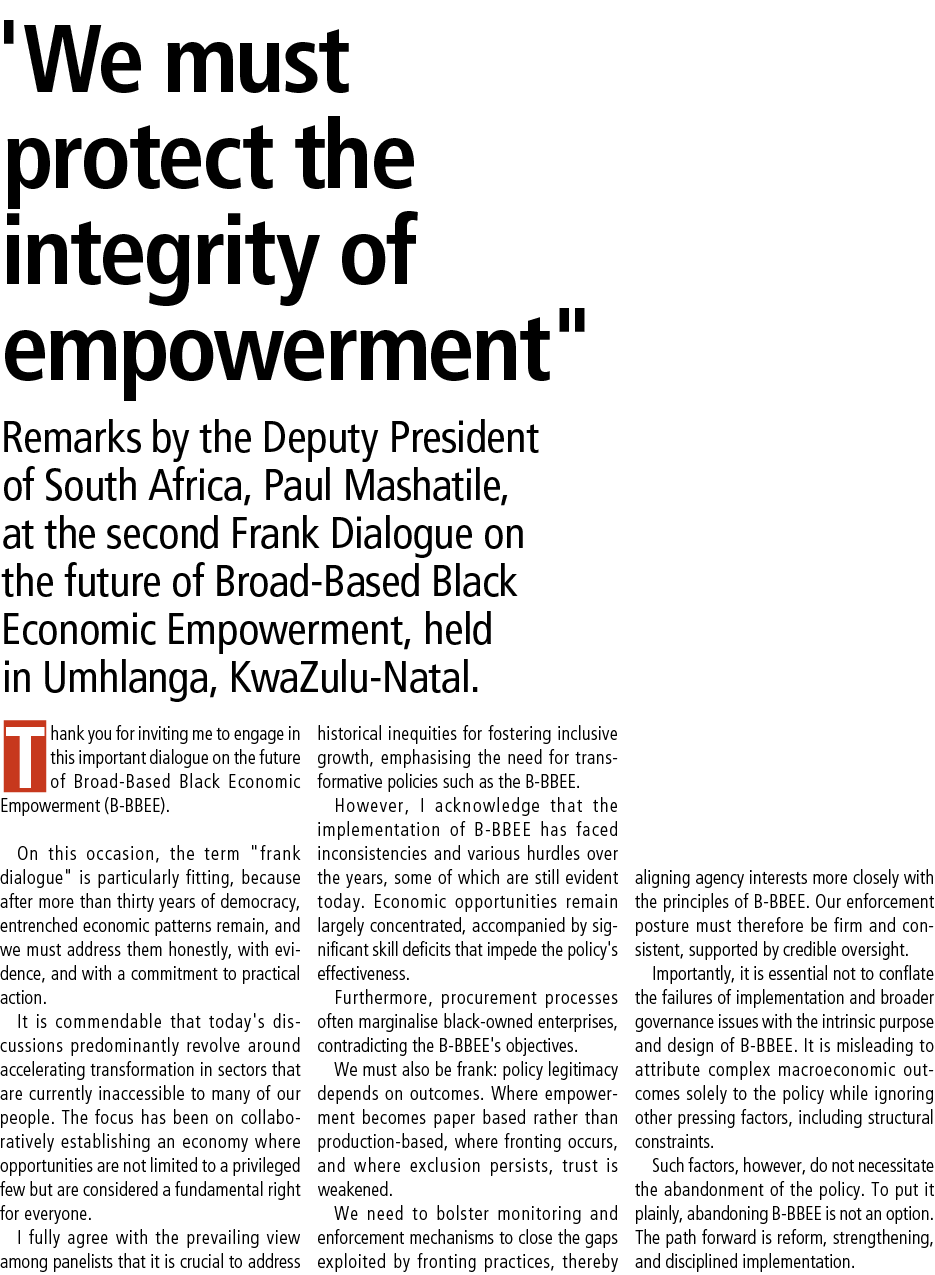



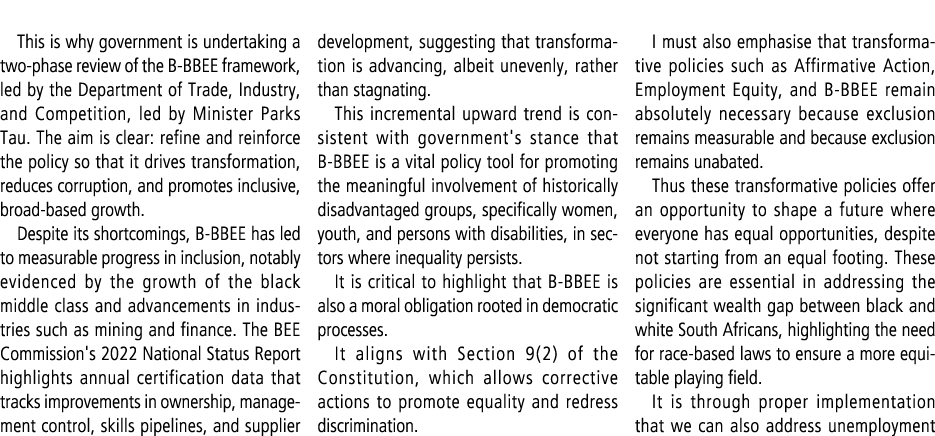

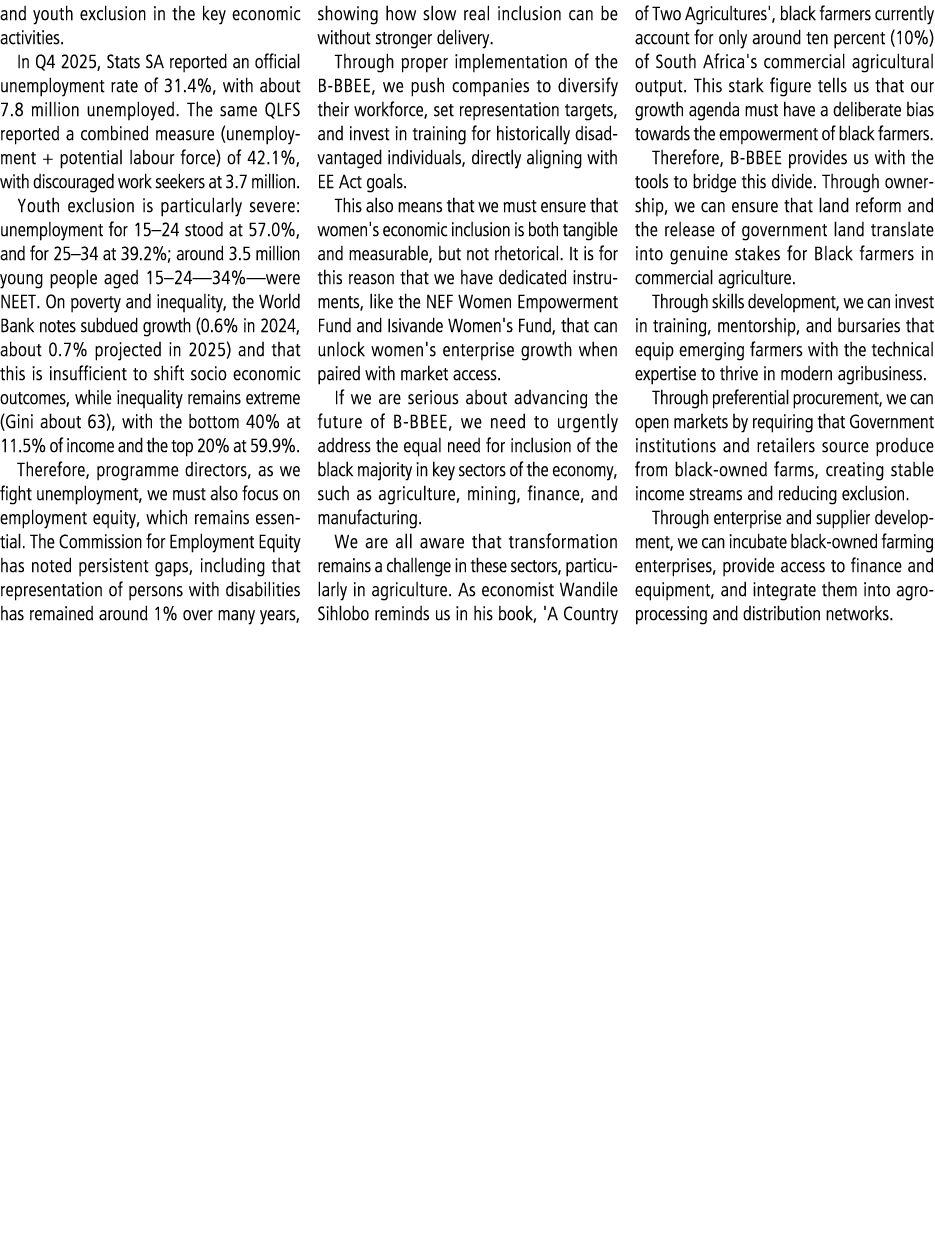
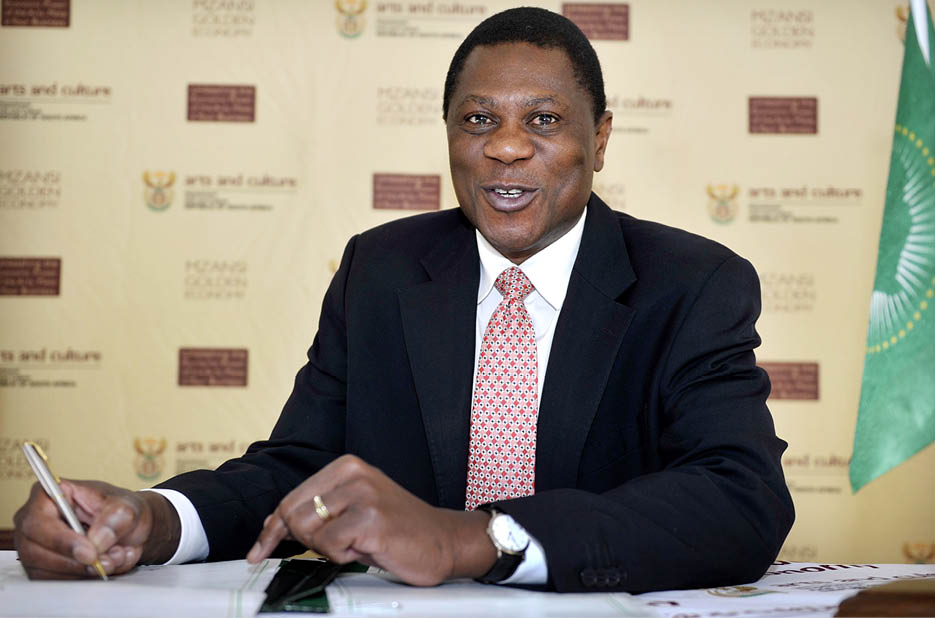

"We must protect the integrity of empowerment"
Remarks by the Deputy President of South Africa, Paul Mashatile, at the second Frank Dialogue on the future of Broad-Based Black Economic Empowerment, held in Umhlanga, KwaZulu-Natal.
Thank you for inviting me to engage in this important dialogue on the future of Broad-Based Black Economic Empowerment (B-BBEE).
On this occasion, the term "frank dialogue" is particularly fitting, because after more than thirty years of democracy, entrenched economic patterns remain, and we must address them honestly, with evidence, and with a commitment to practical action.
It is commendable that today's discussions predominantly revolve around accelerating transformation in sectors that are currently inaccessible to many of our people. The focus has been on collaboratively establishing an economy where opportunities are not limited to a privileged few but are considered a fundamental right for everyone.
I fully agree with the prevailing view among panelists that it is crucial to address historical inequities for fostering inclusive growth, emphasising the need for transformative policies such as the B-BBEE.
However, I acknowledge that the implementation of B-BBEE has faced inconsistencies and various hurdles over the years, some of which are still evident today. Economic opportunities remain largely concentrated, accompanied by significant skill deficits that impede the policy's effectiveness.
Furthermore, procurement processes often marginalise black-owned enterprises, contradicting the B-BBEE's objectives.
We must also be frank: policy legitimacy depends on outcomes. Where empowerment becomes paper based rather than production-based, where fronting occurs, and where exclusion persists, trust is weakened.
We need to bolster monitoring and enforcement mechanisms to close the gaps exploited by fronting practices, thereby aligning agency interests more closely with the principles of B-BBEE. Our enforcement posture must therefore be firm and consistent, supported by credible oversight.
Importantly, it is essential not to conflate the failures of implementation and broader governance issues with the intrinsic purpose and design of B-BBEE. It is misleading to attribute complex macroeconomic outcomes solely to the policy while ignoring other pressing factors, including structural constraints.
Such factors, however, do not necessitate the abandonment of the policy. To put it plainly, abandoning B-BBEE is not an option. The path forward is reform, strengthening, and disciplined implementation.
This is why government is undertaking a two-phase review of the B-BBEE framework, led by the Department of Trade, Industry, and Competition, led by Minister Parks Tau. The aim is clear: refine and reinforce the policy so that it drives transformation, reduces corruption, and promotes inclusive, broad-based growth.
Despite its shortcomings, B-BBEE has led to measurable progress in inclusion, notably evidenced by the growth of the black middle class and advancements in industries such as mining and finance. The BEE Commission's 2022 National Status Report highlights annual certification data that tracks improvements in ownership, management control, skills pipelines, and supplier development, suggesting that transformation is advancing, albeit unevenly, rather than stagnating.
This incremental upward trend is consistent with government's stance that B-BBEE is a vital policy tool for promoting the meaningful involvement of historically disadvantaged groups, specifically women, youth, and persons with disabilities, in sectors where inequality persists.
It is critical to highlight that B-BBEE is also a moral obligation rooted in democratic processes.
It aligns with Section 9(2) of the Constitution, which allows corrective actions to promote equality and redress discrimination.
I must also emphasise that transformative policies such as Affirmative Action, Employment Equity, and B-BBEE remain absolutely necessary because exclusion remains measurable and because exclusion remains unabated.
Thus these transformative policies offer an opportunity to shape a future where everyone has equal opportunities, despite not starting from an equal footing. These policies are essential in addressing the significant wealth gap between black and white South Africans, highlighting the need for race-based laws to ensure a more equitable playing field.
It is through proper implementation that we can also address unemployment and youth exclusion in the key economic activities.
In Q4 2025, Stats SA reported an official unemployment rate of 31.4%, with about 7.8 million unemployed. The same QLFS reported a combined measure (unemployment + potential labour force) of 42.1%, with discouraged work seekers at 3.7 million.
Youth exclusion is particularly severe: unemployment for 15–24 stood at 57.0%, and for 25–34 at 39.2%; around 3.5 million young people aged 15–24—34%—were NEET. On poverty and inequality, the World Bank notes subdued growth (0.6% in 2024, about 0.7% projected in 2025) and that this is insufficient to shift socio economic outcomes, while inequality remains extreme (Gini about 63), with the bottom 40% at 11.5% of income and the top 20% at 59.9%.
Therefore, programme directors, as we fight unemployment, we must also focus on employment equity, which remains essential. The Commission for Employment Equity has noted persistent gaps, including that representation of persons with disabilities has remained around 1% over many years, showing how slow real inclusion can be without stronger delivery.
Through proper implementation of the B-BBEE, we push companies to diversify their workforce, set representation targets, and invest in training for historically disadvantaged individuals, directly aligning with EE Act goals.
This also means that we must ensure that women's economic inclusion is both tangible and measurable, but not rhetorical. It is for this reason that we have dedicated instruments, like the NEF Women Empowerment Fund and Isivande Women's Fund, that can unlock women's enterprise growth when paired with market access.
If we are serious about advancing the future of B-BBEE, we need to urgently address the equal need for inclusion of the black majority in key sectors of the economy, such as agriculture, mining, finance, and manufacturing.
We are all aware that transformation remains a challenge in these sectors, particularly in agriculture. As economist Wandile Sihlobo reminds us in his book, 'A Country of Two Agricultures', black farmers currently account for only around ten percent (10%) of South Africa's commercial agricultural output. This stark figure tells us that our growth agenda must have a deliberate bias towards the empowerment of black farmers.
Therefore, B-BBEE provides us with the tools to bridge this divide. Through ownership, we can ensure that land reform and the release of government land translate into genuine stakes for Black farmers in commercial agriculture.
Through skills development, we can invest in training, mentorship, and bursaries that equip emerging farmers with the technical expertise to thrive in modern agribusiness.
Through preferential procurement, we can open markets by requiring that Government institutions and retailers source produce from black-owned farms, creating stable income streams and reducing exclusion.
Through enterprise and supplier development, we can incubate black-owned farming enterprises, provide access to finance and equipment, and integrate them into agro-processing and distribution networks.
The Competition Commission's work shows high concentration persists and that highly concentrated markets are more likely to become more concentrated over time. It also shows that although SMEs are about 95% of firms, they contribute only 24% of turnover, while large firms (5%) contribute 76%, a sign of structural barriers to scaling and participation. So, empowerment must be about opening value chains and expanding productive inclusion, not only compliance.
We also need to utilise B-BBEE to ensure that, in the near future, we have equal participation of black people in the ocean economy.
The KwaZulu-Natal Province is home to two of Africa's most strategic maritime assets: the Ports of Durban and Richards Bay. These ports are more than points of trade; they anchor South Africa's ocean economy and sit at the center of our ambitions for industrial growth, investment, and job creation.
South Africa's ocean economy holds immense potential: our ports, our fisheries, our marine manufacturing, our coastal tourism, and even our emerging sectors like biotechnology and renewable ocean energy.
Yet we must confront an uncomfortable truth: as with agriculture, participation remains skewed. If transformation is to be meaningful, then black entrepreneurs, professionals, and communities must be at the center of this growth.
The evidence cited above highlights the need for a new BBBEE model and an economy-wide transformation policy shift.
It must be based on the following essential pillars:
Firstly, broadening black economic empowerment necessitates some strategic policy implementation choices drawing on the research cited above. A primary point relates to the relationship between B-BBEE and South Africa's overall economic development policy mix. Macro-economic trends and policy framework implementation choices influence the socio-economic impact of B-BBEE significantly.
Improving alignment between B-BBBE, industrial, competition, fiscal, and monetary policy areas could potentially produce greater social returns. Recent developments in the implementation of the competition legislation are instructive for building this alignment between B-BBEE and the overall economic development policy mix.
For example, the merger and acquisition decision making from the Competition Commission in some cases has elevated the wider B-BBEE social returns and socio-economic indicators.
This policy mix approach can equally be applied in fiscal, monetary, and industrial policy areas.
Secondly, policymakers need to connect B-BBEE with industrial diversification. This point specifically applies to nascent or emerging sectors that are in early stages of production life cycles. B-BBEE can be enhanced when creating the regulatory and economic rent frameworks in nascent sectors such as renewable and hydrogen energy.
However, this proposition needs a well-planned value chain approach, which transcends the current focus on the 'enterprise and supplier development' element in the existing B-BBEE codes.
Thirdly, public interest outcomes and models of social ownership need to feature prominently in future B-BBEE policy implementation. These include positive socio-economic outcomes such as employment creation, strengthening SMME growth, expanding forms of social ownership, and restructuring unequal spatial development patterns in SA require more attention.
Emphasis is placed on financial indicators in B-BBEE transaction socio-economic analyses such as share allocation, dividend accumulation, and budget allocation for specific B-BBEE code elements. This approach has not yielded the social returns necessary for addressing perennial race, class, and gender socio-economic inequalities. This implies examining B-BBEE policy successes and shortcomings using a different socio-economic matrix, which goes beyond the B-BBEE codes.
Fourthly, the ongoing BBBEE policy review should enhance policy coherence and adherence to the law. Section 10 of the BBBEE Act is a useful tool that can be used to achieve this objective.
Government licensing, authorisations, regulatory certification and permits are essential instruments in strengthening transformation policy synergies. These regulatory mechanisms ensure that private sector economic actors only access state regulatory benefits if they meet BBBEE targets.
Programme Director, as I conclude, let me reiterate the message of President Cyril Ramaphosa when he replied to the debate on the State of the Nation Address. The President emphasised that we must see broad-based black economic empowerment not as a cost to the economy, but as an investment in the sustainable growth of our economy.
The message from this frank dialogue must therefore be clear: we are not retreating from transformation; we are deepening transformation and aligning it to measurable outcomes that create jobs, build enterprises, open markets, and protect integrity.
Accordingly, we are placing emphasis on five measurable outcomes, namely: procurement, finance, supplier graduation, management control, and enforcement, so that we can track progress transparently and correct course quickly.
We further emphasise that gender inclusion is non-negotiable. We cannot accept a situation where women remain structurally excluded from ownership, access to markets, and leadership positions, particularly when there is clear evidence that women-owned enterprises are able to create jobs and build sustainable economic capability when properly supported.
Finally, we must protect the integrity of empowerment. Fronting is economic sabotage; it will be confronted through stronger verification, faster case finalisation, and real consequences.
Let this dialogue mark a shift from compliance to outcomes, from rhetoric to delivery, and from exclusion to productive inclusion.
I thank you.
Leadership, Innovation & Transformation in Radioactive
Waste Management
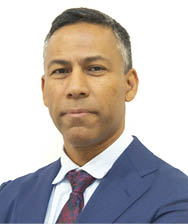
A Vision for South Africa’s Sustainable Nuclear Future with Riedewaan Bakardien, CEO of National Radioactive Waste Disposal Institute
In a country boldly shaping its energy future while navigating the delicate balance between development and sustainability, leadership in nuclear governance is not for the faint-hearted. It requires vision. It demands precision. It calls for courage.
At the helm of the National Radioactive Waste Disposal Institute (NRWDI) stands Riedewaan Bakardien, a leader steering one of South Africa’s most critical yet often misunderstood institutions.
In a world where innovation must walk hand-in-hand with regulation and where safety is non-negotiable, his stewardship signals a new era of responsible nuclear management grounded in transformation and national progress.
A Journey Rooted in Purpose
Every impactful leader carries a journey that shapes their mission. For Mr. Bakardien, stepping into the role of CEO at NRWDI was not merely a career move—it was a calling aligned with South Africa’s long-term sustainability agenda.
Taking the reins at a pivotal time for the country’s nuclear landscape, he understood the weight of responsibility. Radioactive waste management is not simply about storage; it is about safeguarding generations to come. It is about building systems today that will protect communities’ decades from now.
His journey reflects a deep commitment to public service, technical excellence, and ethical governance. In many ways, his leadership represents the quiet but powerful work of nation-building—work that may not always dominate headlines but underpins the structural integrity of our energy and environmental systems.
Understanding NRWDI’s Mandate
The National Radioactive Waste Disposal Institute was established to manage and dispose of radioactive waste safely and sustainably on behalf of the South African state. Its mandate is clear: protect people, protect the environment, and ensure that radioactive waste is handled with the highest standards of safety and compliance.
South Africa’s nuclear program, including its medical, industrial, and research applications, generates radioactive waste that must be responsibly managed. NRWDI ensures that this waste does not pose risks to communities or ecosystems.
The CISF programme is advancing well, with the Environmental Impact Assessment (EIA) and design work currently underway as part of the preparatory activities for the licensing and construction of the facility.
The work of NRWDI in the next few years will be particularly important in context of the life extension of the Koeberg Nuclear Power Station, which involved the replacement of major reactor components. Safe and responsible solutions for disposal of these components form a vital element of the broader national nuclear programme.
Safety Above All
In the nuclear sector, safety is not an option; it is the foundation. Environmental protection and public health are paramount to NRWDI’s operations.
The Institute implements rigorous waste characterization processes, secure containment systems, and internationally aligned disposal practices. Every step – from waste acceptance to final disposal – follows stringent safety protocols designed to minimize risk and ensure long-term stability.
Comprehensive environmental monitoring systems are in place to assess soil, water, and air quality. Risk assessments are continuous, not periodic. The philosophy is proactive rather than reactive—preventing potential hazards before they emerge.
At BBQ Magazine, we often speak about excellence. In this space, excellence means zero compromise on safety. It means building public trust through transparency and accountability.
Innovation in Nuclear Waste Management
Innovation is often associated with fast-moving industries such as technology or finance. Yet innovation in nuclear waste management is equally critical—and perhaps even more consequential.
Under Mr. Bakardien’s leadership, NRWDI is exploring advanced disposal technologies, improved waste conditioning methods, and enhanced monitoring systems powered by data-driven insights. Modernisation is not about change for its own sake; it is about increasing efficiency, improving safety margins, and ensuring long-term sustainability.
Digitisation plays a key role in operational management, enabling better record-keeping, predictive maintenance, and real-time tracking of waste streams. By integrating global best practices and adapting them to local realities, NRWDI is positioning South Africa as a responsible player in the global nuclear ecosystem.
Innovation here is deliberate, cautious, and evidence-based—a model of progress respecting the gravity of the sector it serves.
Driving Transformation & Skills Development
Transformation is not a slogan—it is a structural imperative. In a country shaped by inequality, institutions like NRWDI have a responsibility to open doors and cultivate new talent.
Mr. Bakardien emphasises skills development as a cornerstone of long-term sustainability. The nuclear sector requires specialized expertise. Building local capacity is essential to reducing reliance on external skills while empowering South African professionals.
Through internships, graduate development programmes, and partnerships with academic institutions, NRWDI is nurturing a pipeline of young engineers, scientists, and environmental specialists, many from previously disadvantaged backgrounds.
This approach aligns with South Africa’s broader transformation agenda: ensuring that high-tech sectors are not exclusive but inclusive. Empowerment in the nuclear space translates into economic participation, career mobility, and knowledge transfer that strengthens the national skills base.
Balancing Compliance, Safety & Innovation
Leadership in a regulatory-heavy environment requires balance. Too much rigidity stifles progress; too much risk-taking compromises safety. The art lies in harmonizing compliance with forward-thinking development.
Mr. Bakardien’s approach reflects strategic equilibrium. Regulatory frameworks are treated as guardrails, not obstacles. Safety protocols are integrated into innovation processes rather than appended at the end.
This balance requires collaborative leadership—engaging regulators, scientists, engineers, policymakers, and communities in structured dialogue. Decision-making is informed by data, expert consultation, and long-term impact analysis. The result is a governance model that is both resilient and adaptive— capable of evolving with technological advancements while remaining anchored in statutory obligations.
Global Collaboration in a Shared Responsibility
South Africa is part of a global nuclear community where knowledge exchange is essential. Radioactive waste management is a shared responsibility across borders, and international collaboration strengthens national systems.
NRWDI engages with global institutions, research bodies, and peer organizations to adopt best practices and share insights. Learning from international experiences enhances local strategies and ensures alignment with global safety standards.
This collaboration positions SA not merely as a participant but as a contributor in shaping responsible nuclear governance worldwide. In a globalised world, isolation is not an option. Excellence requires openness to learning and a willingness to benchmark against the highest international standards.
Infrastructure for the Future
Infrastructure development is central to sustainability. Safe disposal requires facilities that are secure, technologically advanced, and designed for long-term containment.
NRWDI’s forward-looking plans include modernizing existing infrastructure and evaluating potential expansion projects to meet future waste management needs. These initiatives are guided by scientific research, environmental impact assessments, and stakeholder consultation. Long-term planning in this sector spans decades, not electoral cycles. It demands patience, precision, and unwavering commitment to public interest.
Investment in infrastructure is not just about physical structures; it is about building institutional longevity and operational resilience.
Building Public Trust
Perhaps the most delicate aspect of radioactive waste management is public perception. Fear often fills the vacuum where information is lacking. NRWDI understands that transparency is critical. Community engagement initiatives, stakeholder consultations, and open communication channels help demystify nuclear waste management.
By providing clear, accessible information about safety measures and environmental safeguards, the Institute fosters confidence rather than suspicion. Trust is earned through consistency, integrity, and openness. In sectors dealing with invisible risks, credibility becomes the most valuable currency.
The Road Ahead: A 5–10 Year Vision
Looking ahead, Mr. Bakardien’s goals for NRWDI are anchored in sustainability, innovation, and national impact.
Over the next decade, the Institute aims to:
At BBQ Magazine, we celebrate leaders who operate in complex spaces with clarity and conviction. Riedewaan Bakardien represents a form of leadership that is disciplined yet visionary grounded in regulation but inspired by transformation.
In the quiet corridors of nuclear governance, where decisions shape the future long after headlines fade, leadership matters profoundly. And in that space, innovation is not noise it is responsibility.








Africa’s rare mineral moment: Can the continent seize it?
With demand for rare earth minerals soaring, African nations are striving to move beyond extraction and unlock greater value through refining and industrial investment, writes Derrick Roper, the co-founder of Novare Holdings and MD of its private equity division.
Africa is home to many of the minerals that will power the global clean energy transition. But unless the continent shows a sense of urgency to move quickly up the value chain, it risks repeating the mistakes of past resource booms.
The shift away from fossil fuels presents nations with a rare opportunity to escape the extractive trap and capture greater value from the surging demand for critical minerals.
Yet the foundations needed to swiftly seize this moment – skills, infrastructure, and regulatory certainty – are all areas that are slow to build and slower to reform.
Without urgent, coordinated action with the private sector, history could once again leave ordinary people behind.
Demand for critical minerals continues to rise, despite President Donald Trump’s rollback of US green energy policies. According to the International Energy Agency’s Global Critical Minerals Outlook 2025, the market value of copper, lithium, nickel, cobalt, graphite and rare earth elements could double by 2040.
Africa holds some of the richest deposits. The Democratic Republic of Congo (DRC) produces more than 70% of the world’s cobalt. South Africa holds roughly 80% of global manganese reserves and supplies vanadium and platinum group metals. Zimbabwe has large lithium resources, while Namibia, Tanzania and Malawi are advancing rare earth projects.
Yet Africa captures only a sliver of the value. For decades, the continent’s role has been limited to digging up ore, shipping it out, and importing finished products at a premium.
According to the African Development Bank (AfDB), countries that export raw minerals capture less than 10% of the value of the final product. With investment in refining and beneficiation, that figure could rise to 40%–50%, depending on the mineral.
What’s at stake isn’t just revenue. It’s industrial development, job creation and economic sovereignty. It’s also about preventing a scenario where governments bear the environmental and social costs left behind by mining companies, without a meaningful return.
A geopolitical shift
As Western governments seek to “de-risk” supply chains away from China, African producers have a gap to renegotiate their role.
China controls nearly 90% of the global rare earth processing market. In 2023, Beijing restricted exports of gallium and germanium – two metals used in advanced manufacturing – raising alarm in Washington and Brussels. Trump’s earlier trade war had already exposed US vulnerabilities in the supply of minerals critical to solar panels, batteries and defence systems.
Some African governments are stepping up to benefit. Namibia and Zimbabwe have banned exports of unprocessed lithium. Zimbabwe also announced a $2.8bn battery manufacturing venture with China’s Zhejiang Huayou Cobalt. In South Africa, the Industrial Development Corporation invested R3.5bn in the Kalagadi Manganese Project in the Northern Cape, which includes on-site alloy and sinter refining.
Across the continent, eight rare earth projects – including Phalaborwa and Steenkampskraal (South Africa), Makuutu (Uganda), Ngualla (Tanzania) and Songwe (Malawi) – were on track for commissioning by early 2025. Benchmark Mineral Intelligence forecasts that these projects could lift Africa’s share of global rare earth output to 9% by 2029.
Namibia’s Lofdal project has completed a production pilot, and Angola’s Longonjo mine, backed by an $80m loan from Absa, aims to supply 5% of global magnet-metal demand. The DRC has signed agreements with the US and EU to develop downstream capacity. But progress remains slow, constrained by infrastructure and governance gaps.
Changing the nature of deals
Africa’s beneficiation push is beginning to attract institutional capital and changing how deals are structured globally.
Novare’s recent commitment to anchor a $150m (R2.8bn) funding round for American Resources Corporation via an investment in ReElement Technologies reflects that shift. While the project expands ReElement’s refining operations in Indiana, it also signals our intent to claim Africa’s place in the global supply chain – not just as a source of raw materials, but as a stakeholder in high-value refining.
ReElement’s modular, environmentally sustainable refining technology is well-suited to African markets, where grid-scale power is limited and environmental regulations are evolving. It offers a pathway for scalable beneficiation that doesn’t rely solely on mega-infrastructure.
Africa is also attracting high-profile backers. Jeff Bezos and Bill Gates have invested $537m in KoBold Metals, which is exploring African mineral deposits using artificial intelligence.
Still, severe constraints remain. Processing plants require a large upfront investment and long lead times. The electricity supply is unreliable. Transport infrastructure is poor. And regulatory frameworks remain patchy.
Labour organisations have warned that without proper oversight, the critical minerals boom could repeat past cycles of exploitation. Research by IndustriALL Global Union indicates that formalising artisanal and small-scale mining in countries such as the DRC and Zimbabwe could boost productivity and safeguard workers, turning extractive growth into sustainable employment.
Drawing on proposals from the AfDB, the African Union, SADC, and leading global think tanks, African governments should take five urgent steps: invest in core infrastructure, ensure regulatory clarity on royalties and licensing, foster technology partnerships, develop skills pipelines, and enforce beneficiation clauses in mining contracts.
The African Continental Free Trade Area (AfCFTA), which aims to unify trade across 54 countries, could serve as a powerful catalyst. Lithium mined in Namibia could be refined in South Africa and then processed into batteries in Kenya – if harmonised trade rules and cross-border logistics can keep pace.
A turning point
Africa has been here before. Past commodity booms – whether in copper, oil, or gold – often ended in busts, were captured by political elites, or resulted in missed opportunities.
But this time is different. The global demand for energy transition minerals isn’t a temporary spike – it’s a structural shift that will shape the next several decades.
The prize is not just higher revenues. It’s a seat at the table in shaping the global green economy.
For African leaders and investors, the goal must be to shift from being price takers to value creators: from extraction to refining, manufacturing, and achieving global competitiveness.
The upcoming G20 Summit in South Africa – the first to be hosted on the continent – highlights Africa’s growing strategic significance. It’s a chance to push for fairer terms in the clean energy transition, including investment in beneficiation and secure, transparent partnerships.
Africa holds what the world wants. The real question is: can we rise to the occasion?
By Derrick Roper






The path to transforming KZN's Ocean Economy
Ido Lekota reports back on how KZN's Ocean Economy could be the catalyst for massive job creation in the region.
KwaZulu-Natal - as part of Africa's largest coastal region, second only to Mauritius - must tap into its natural marine resources to drive economic inclusion and address South Africa's pressing challenges, which are currently not being met.
This message emerged from a recent Frank Dialogue on the future of Broad-Based Black Economic Empowerment (B-BBEE), attended by stakeholders including black business leaders, Development Finance Institutions (DFIs) such as the National Empowerment Fund (NEF) and the Industrial Development Corporation (IDC), civil society members, black professionals, researchers, and activists.
The Dialogue highlighted how KZN's over 600 km of coastline, combined with government-driven transformation of the ocean economy, could unlock 600 000 to 1 million jobs by 2033. These opportunities span sectors like marine manufacturing, transport and logistics, aquaculture (rearing of marine animals), fishing, and marine protection.
For instance, a government- and business-driven transformation agenda in KZN, in collaboration with the private sector, could reverse the current reality where South Africa services only 1% of marine transport ferrying goods along Africa's western coastal region. This shift could spawn marine services companies owned by youth, women, and other marginalised groups - directly advancing the country's transformation goals.
Suggestions to turn the tide included enhancing B-BBEE policy to fix shortcomings that fuel high youth unemployment, even in underserved communities within Durban and Richards Bay that fall under the KZN ocean economy's nodal reach.
Proposed solutions also encompassed reviewing the current Sector Education and Training Authorities (SETAs) architecture to ensure better return on investment in skills output. Dialogue participants urged business to stop complaining about skills shortages, noting that it knows the required skills and has the moral obligation - and resources - to help develop them.
Most critically, academic and political analyst Professor Tladi Lehotla linked the economic exclusion of township and rural areas in KZN's ocean economy to the government's extractive economic model, which benefits big business at the expense of marginalised communities.
Lehotla argued solutions lie in a people-centred developmental model, akin to the abandoned Reconstruction and Development Programme (RDP). This includes overhauling the country's education system, which perpetuates socio-economic disparities by producing graduates unfit for building a society aligned with UN's Sustainable Development Goals.
Ido Lekota is a media practitioner and an independent socio-political commentator.





From Diepsloot to legal luminary: the inspiring journey of Metse Masina
Founder and Principal of Masina Attorneys shares her vision, values, and legacy
In a legal landscape often dominated by towering institutions and historic structures, Metse Masina stands as a beacon of resilience, integrity, and transformative leadership. Founder and Principal of Masina Attorneys, Masina’s story is one rooted in personal experience, purpose, and a deep-seated commitment to using the law as a tool for empowerment. Her journey reflects not just the evolution of a legal firm, but the embodiment of values-driven leadership in practice.
“My objective was to establish a legal firm committed to delivering exceptional service while keeping the core values of integrity, fairness, and accessibility,” Masina begins. Growing up in Diepsloot, she witnessed firsthand the daily struggles faced by communities with limited access to justice and opportunity. “That experience instilled in me a deep sense of responsibility to use the law as a tool for empowerment. Masina Attorneys was founded to ensure clients receive professional and empathetic care for their cases. Those values remain the foundation of our work today.”
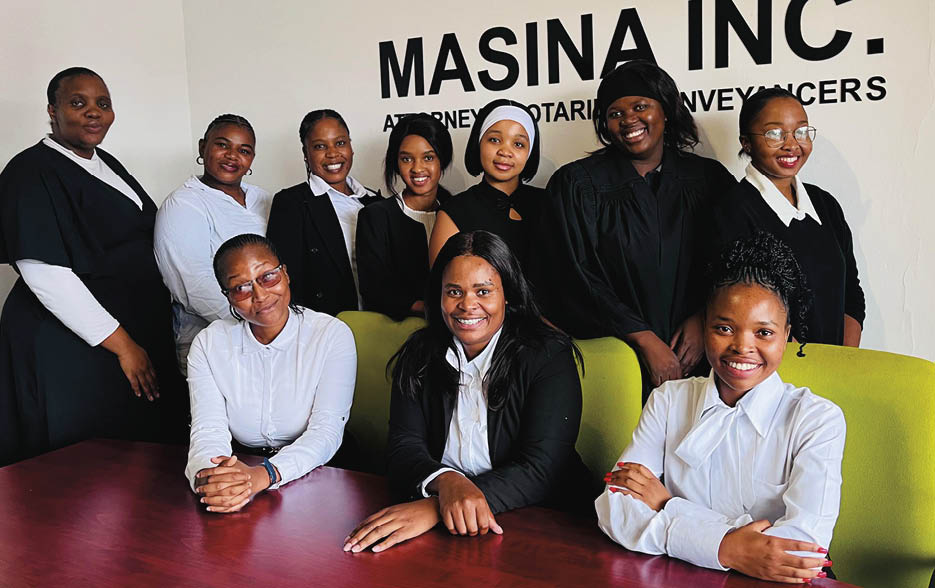
Her early experiences were not without challenges. As a Black woman navigating South Africa’s legal profession, Masina encountered barriers familiar to many women of colour entering the field: doubt, fewer opportunities, and constant pressure to prove her capabilities. Yet rather than allowing these obstacles to define her path, she transformed them into stepping stones. “I used them as fuel, developing resilience, improving my expertise, and building a reputation that speaks for itself,” she explains. This resilience has become a hallmark of her leadership, influencing both her team and the broader legal fraternity.
Masina Attorneys has since distinguished itself in a highly competitive sector. While many firms prioritise technical expertise alone, Masina underscores the importance of a client-centred approach. “Beyond technical expertise, we prioritise transparency, ethical conduct, and consistent communication. Our clients know that their interests are protected with diligence and respect, which sets us apart in a sector where trust is essential.” This approach has cultivated a loyal client base and solidified the firm’s reputation for integrity and professionalism.
Transformation remains a central theme in South Africa’s professional landscape, and the legal sector is no exception. “While progress has been made in making the profession more diverse, much work remains before true transformation is accomplished,” Masina observes. She notes that representation at senior levels, equitable access to opportunities, and the dismantling of systemic barriers remain pressing challenges. “More deliberate mentorship and structural reforms are needed to ensure transformation is not symbolic but substantive,” she adds, highlighting her commitment to driving meaningful change within her sphere of influence.
Leadership, she asserts, is a dynamic journey shaped by experience. “My leadership style is collaborative and empowering. I believe in nurturing talent, encouraging independent thinking, and leading by example.” Her entrepreneurial and legal journey has instilled in her a profound sense of adaptability, empathy, and decisivenese, qualities she actively brings into guiding her team. This leadership philosophy not only fosters a culture of excellence within Masina Attorneys but also sets a model for emerging leaders in the sector.
Beyond professional success, Masina emphasises the importance of balancing business sustainability with social responsibility. Masina Attorneys is deeply involved in pro bono initiatives, mentorship programmes, and efforts that expand access to justice for disadvantaged communities. “Having seen the struggles of Diepsloot, I am passionate about expanding access to justice for sidelined communities and investing in initiatives that empower young people,” she explains. For her, the firm’s impact is measured not solely by profitability but by the lasting positive change it brings to society.
When asked for advice to young Black professionals, particularly aspiring women lawyers, Masina’s message is empowering and direct: “Believe in your vision, even when others doubt it. Equip yourself with knowledge, resilience, and a strong network. Most importantly, remain true to your values; integrity and perseverance will carry you through challenges and help you build a firm that endures.” Her guidance resonates not just within the legal profession but across all spheres where emerging leaders seek to carve their own path.
Looking ahead, Masina envisions Masina Attorneys as a firm that continues to expand its footprint while remaining grounded in excellence and integrity. “Our goal is to be a leading voice in advancing transformation and access to justice,” she shares. The legacy she hopes to leave is one of empowerment: proof that values-driven leadership and determination can reshape the legal landscape for generations to come.
Her journey from witnessing inequities in Diepsloot to establishing a firm renowned for integrity, professionalism, and social impact is a testament to the power of purpose-led entrepreneurship. Masina’s story underscores a vital message for Black professionals: barriers are not permanent roadblocks but catalysts for growth and innovation when met with resilience, vision, and unwavering commitment.
In every case handled, every mentorship session conducted, and every initiative launched for community upliftment, Masina’s firm reflects a profound truth: that the law, when wielded with empathy and integrity, can be a transformative force for both individuals and society. Her story is more than a legal success; it is a blueprint for how purpose, values, and leadership can intersect to create enduring impact.
As Masina Attorneys looks toward the future, the firm remains committed to excellence, community impact, and shaping a legal profession that is truly reflective of South Africa’s diverse society. In Metse Masina, the legal fraternity sees not just a lawyer or entrepreneur, but a visionary leader whose influence extends far beyond the courtroom, touching lives, shaping minds, and leaving an indelible mark on the profession and the nation.




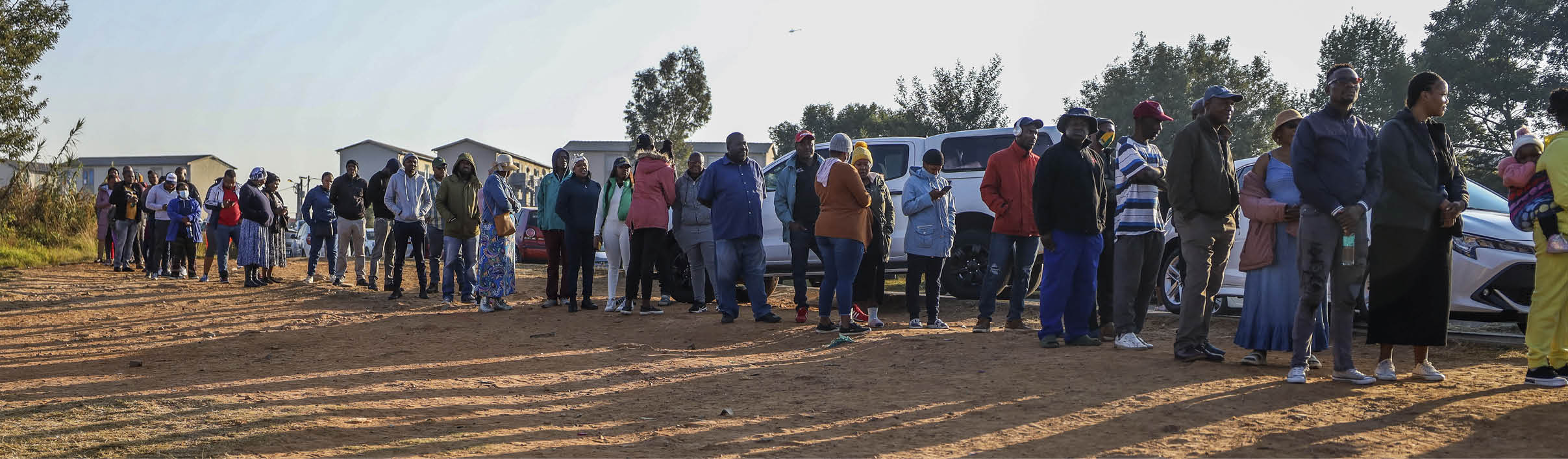
2026 Municipal Elections: Reflections on freedom, leadership, and business growth
Linda Tom takes a look at the pursuit of true transformation in leadership and the economy this Freedom Month.
As South Africa steps into another pivotal chapter with the 2026 municipal elections, we are reminded that our democracy, though robust, continues to demand accountability, integrity, and visionary leadership. This Freedom Month, a time when we honour the struggles and sacrifices of those who fought for our rights, it is both poignant and pressing to reflect on how leadership has evolved, how business is faring, and how transformation policies like B-BBEE continue to shape opportunities for Black entrepreneurs and industrialists.
Thirty-two years into our democracy, we must pause and ask ourselves: what have we truly achieved? Freedom Month is not just a celebration of our political liberties, it is a call to action, a moment to interrogate whether the promise of equal opportunity, dignity, and prosperity has been fulfilled. For many South Africans, there remains a sense of waiting, waiting for leaders to acknowledge failures, to offer apologies for missteps, and to show tangible leadership in service of the people. Yet, some apologies will never come. Some accountability is delayed indefinitely. This reality, though uncomfortable, forces us to take stock as citizens, as business owners, and as stakeholders in the transformation of our economy.
Leadership in Transition
The 2026 municipal elections arrive at a time when leadership is under scrutiny more than ever. Communities demand transparency, decisive action, and commitment to human rights values that must inform every decision, every policy, and every plan implemented at the municipal level. Citizens are more aware, more informed, and more critical, and rightly so. Leadership today cannot rely on authority alone; it must be earned through consistent service, ethical conduct, and a genuine understanding of the communities served.
The shift in leadership dynamics is evident across the country. Younger leaders are stepping into spaces historically dominated by older political structures, bringing fresh perspectives and innovative approaches to governance. These leaders understand that democracy is not static; it is a living process that must evolve with societal needs. Freedom Month is the perfect reminder that the struggle for equality and justice is ongoing and that leadership is not about power, it is about service.
Yet, there is an uncomfortable truth: many of the wrongs committed by previous administrations have left scars that no apology can heal. Citizens, communities, and even businesses often feel the weight of promises unfulfilled, projects delayed, or policies poorly implemented. Waiting for leaders to apologise is, in many ways, waiting in vain. What is essential, then, is for leadership today to act not merely to speak. Actions speak louder than words, and the electorate's power lies in holding leaders accountable through participation, scrutiny, and informed decision making in these elections.
Business Landscape and Investment
Turning our gaze to business, South Africa remains a land of opportunity but it is also a land of complex challenges. The post-pandemic economy continues to recover, with sectors such as manufacturing, digital services, and renewable energy showing promising growth. Investment, both local and foreign, is cautiously optimistic, yet confidence depends largely on political stability, sound governance, and policies that encourage entrepreneurship.
Black-owned businesses, in particular, are navigating a landscape that demands agility, resilience, and innovation. The principles of B-BBEE remain critical in shaping opportunities, yet implementation requires constant vigilance. Transformation is not a box-ticking exercise, it is about creating sustainable pathways for empowerment, ownership, and meaningful participation in the economy.
Investment in infrastructure, technology, and skills development is essential. Municipalities play a crucial role here, as local governance decisions directly impact business growth and community well-being. The 2026 elections provide an opportunity for citizens and business leaders alike to evaluate which candidates understand that economic development cannot exist in isolation from social equity. For investors, leadership that prioritises human rights, inclusivity, and economic transformation is a strong signal of long-term stability.
The Moral Compass of Business and Leadership
Freedom Month is not just a political milestone; it is a moral compass for business, governance, and social responsibility. As we celebrate the liberation of our nation, businesses must reflect on how they contribute to the broader ideals of equality, justice, and opportunity. Corporate citizenship extends beyond compliance; it requires active engagement with communities, investment in youth development, and commitment to sustainable practices that uplift society.
The intersection of human rights and business is particularly relevant in 2026. Companies must ensure that their practices uphold the dignity and rights of workers, promote diversity, and contribute to societal growth. B-BBEE policies remain a key driver in this space, ensuring that the economic benefits of our democracy are shared more equitably. For many, B-BBEE is more than legislation; it is a lifeline, a tool to build wealth, empower communities, and address historical inequalities.
Yet, the journey is not without its frustrations. Many business owners express a sense of waiting, waiting for infrastructure, support, or policy interventions that never materialise. Waiting for systemic change without active engagement can be frustrating. That is why Freedom Month is a call to action: to engage, to innovate, and to invest in ways that do not solely rely on governmental goodwill but also harness the ingenuity and resilience of our communities.
Action Beyond Expectation
For black business owners and emerging industrialists, the 2026 municipal elections are not merely a political event; they are a moment to reassess, strategise, and position for growth. The lessons of the past decades teach us that waiting passively for leaders to right wrongs or apologise is futile. Instead, empowerment comes through knowledge, action, and collaboration.
Entrepreneurs must continue to push boundaries, innovate, and create opportunities not only for themselves but also for others within their value chains. Skills development, mentorship, and strategic partnerships are essential in ensuring that B-BBEE is not just a compliance requirement but a real avenue for wealth creation and social transformation. Municipalities that understand the needs of business and actively facilitate growth are the municipalities that will attract investment, generate jobs, and build sustainable economies.
The Intersection of Politics, Rights, and Economic Growth
The 2026 municipal elections offer more than the chance to select leaders; they present a unique opportunity to interrogate how far we have come in protecting human rights, fostering equality, and driving economic transformation. Voters, businesses, and communities must ask hard questions:
Which leaders demonstrate a genuine commitment to human rights and equality?
How do candidates plan to create an enabling environment for business and investment?
Are the principles of transformation, inclusivity, and empowerment embedded in policy decisions?
These questions are essential because leadership decisions at the municipal level ripple across society. Human rights are not an abstract concept; they shape education, healthcare, infrastructure, and the opportunities available to citizens and entrepreneurs. Businesses thrive when human rights are protected, governance is transparent, and leadership is accountable.
Building a Culture of Accountability and Prosperity
As we commemorate Freedom Month and approach the municipal elections, it is crucial to recognise the power of active citizenship. Waiting for apologies that may never come is less important than demanding action and cultivating a culture of accountability. South Africans have the right, and indeed the responsibility, to shape their governance through informed voting, advocacy, and engagement with leaders.
For business, this is the moment to align strategy with societal transformation. Investments in skills development, local manufacturing, and sustainable innovation are not just economically prudent, they are socially responsible. B-BBEE policies provide a framework, but the vision and determination of entrepreneurs drive real change. Freedom Month reminds us that liberation is not only political but also economic, social, and moral. True freedom means access to opportunity, the ability to participate fully in society, and the right to demand fairness and justice.
Freedom, Leadership, and Business in Harmony
In 2026, as we navigate another municipal election, let us remember that leadership is a reflection of societal values. It is measured not by rhetoric but by action. Freedom Month is both a celebration and a challenge, a call to reflect, engage, and contribute to building a nation where human rights, economic transformation, and ethical leadership coexist harmoniously.
Business owners and entrepreneurs have a pivotal role to play. By leveraging B-BBEE frameworks, fostering inclusive growth, and investing in communities, we can accelerate transformation and ensure that economic opportunities are accessible to all.
The journey toward a more just, prosperous, and accountable South Africa is ongoing. Waiting for apologies is a luxury we can ill afford. The work of transformation is in our hands through the choices we make, the businesses we grow, and the leaders we elect. Freedom Month reminds us of what has been sacrificed to achieve our liberties, but it also calls on us to take responsibility for the freedoms that remain unfulfilled.
As we cast our votes in the 2026 municipal elections, let us do so with wisdom, courage, and a commitment to a future where leadership, human rights, and economic empowerment are inextricably linked. Let us not wait for apologies that will never come, let us act, invest, and build a South Africa worthy of the freedom we celebrate.
Linda Tom is the BBQ magazine and BBQ Awards project manager



Precision, Passion and Purpose in Labour Law
Christopher Phukubje on building a specialist firm rooted in integrity, access and excellence
In the ever-evolving landscape of South Africa’s legal sector, few firms have managed to remain steadfast in both principle and performance. At the heart of Johannesburg Central stands a practice that has quietly, yet powerfully, shaped the labour and employment law terrain for nearly two decades CN Phukubje Attorneys Inc.
Founded on 01 June 2008, the firm is the vision of Mr. Christopher Phukubje, a seasoned Labour Law specialist whose 21-year journey in the legal fraternity reflects dedication, resilience and a deep commitment to client service.
From Limpopo Lecture Halls to the High Courts
Mr. Phukubje’s legal journey began at the University of Limpopo, where he obtained his LLB degree in 2003. Like many young black professionals navigating post-democratic South Africa, his path was defined by discipline and exposure to strong mentorship. He commenced his articles at Magabane Incorporated Attorneys in Polokwane in February 2004, completing them in February 2005 before moving to Bryanston to serve as an Associate Attorney at K.D Maimane Incorporated Attorneys.
It was during these formative years that he witnessed firsthand the passion and excellence demonstrated by senior principals. That passion left an indelible mark. Admitted as an attorney on 19 September 2005, Mr. Phukubje honed his craft in Labour and Employment Law a field that would soon become both his speciality and calling.
“The firm was born out of passion,” he reflects. “Passion I witnessed from previous principals during my articles and early years as a Junior Associate.”
Today, as Director of CN Phukubje Attorneys Inc., he leads a medium-sized law firm that specialises primarily in Labour and Employment Law, which constitutes 90% of its practice. The firm also provides services in Contract and Commercial Law, Administrative and Constitutional Law, Civil Litigation, and Criminal litigation arising from employment matters. In addition, they offer corporate training on labour legislation, company policies and Standard Operating Procedures an added value that has distinguished them in a competitive market.
Navigating a Changing Legal Landscape
South Africa’s legal sector is dynamic, shaped by shifting corporate leadership, economic pressures and evolving legislation. For Mr. Phukubje, one of the greatest challenges has been client retention — particularly when companies undergo management changes.
He quotes a familiar saying: “A hunter hunts best with his own dogs.” New leadership often brings new legal teams, requiring firms like his to continually prove their value.
To remain relevant, CN Phukubje Attorneys Inc. has leaned heavily into its mission: building long-term, sustainable relationships anchored in trust and excellence. The firm goes beyond traditional service agreements, regularly providing written and telephonic legal opinions on a pro bono basis to foster relationships and demonstrate commitment.
Rather than competing solely on fees, the firm competes on accessibility and authenticity.
A Culture Built on Access and Personal Connection
What truly sets CN Phukubje Attorneys apart is its client-centric philosophy. In an industry often criticised for rigidity and delayed responses, this firm operates differently.
Clients are not confined to strict business hours. They have direct access to their attorneys evenings, weekends and public holidays included. Travel time is not billed. The firm travels across provinces, requiring only that clients cover travel and accommodation expenses.
“Many clients crave personal relations with their attorneys,” Mr. Phukubje explains. “We are not rigid. We are available.”
Internally, excellence is cultivated through collaboration. Matters pass through multiple hands within the firm at no additional cost to the client. This layered review system ensures quality, strengthens analysis and ultimately improves outcomes.
It is this meticulous, team-oriented approach that has contributed to over 50 reported judgments a remarkable legacy that continues to shape jurisprudence in labour law.
Specialisation as Strategy
In a saturated market, diversification is often seen as survival. Yet Mr. Phukubje chose a different path deep specialisation.
“My father used to say, ‘A person who does everything never grows.’”
By focusing primarily on Labour and Employment Law, the firm has positioned itself as a trusted advisor to government departments, state-owned enterprises, private companies and trade unions. Their expertise spans disciplinary hearings, collective bargaining, union engagements and litigation in the Magistrate, Regional and High Courts.
They further distinguish themselves by offering free training to HR and ER managers, including union shop stewards, empowering clients to manage disciplinary processes effectively and lawfully.
This strategic depth rather than breadth has solidified their reputation as sought-after specialists.
Transformation Through Mentorship
Beyond courtrooms and boardrooms, CN Phukubje Attorneys Inc. carries a strong transformation ethos.
Since its inception, the firm has employed seven Candidate Attorneys (CAs), many of whom are now admitted attorneys running their own successful practices. Unlike many firms that rigidly enforce article contracts, Mr. Phukubje allows candidates additional time to grow, particularly if they struggle with admission exams.
Exposure, mentorship and employment security remain priorities.
“We do not restrict their contracts strictly to prescribed terms,” he shares. “Learning takes time.”
The firm also mentors two LLB students studying through UNISA quietly investing in the future of the profession.
In a country where access and opportunity remain uneven, this commitment to nurturing black legal talent is both significant and necessary.
Leadership Anchored in Attitude
When discussing leadership philosophy, Mr. Phukubje’s values are clear: character over credentials.
“Your attitude determines your altitude,” he says firmly.
Rather than focusing solely on academic performance or university prestige, he prioritises personality, integrity and values during recruitment. Interviews resemble conversations a “meet and greet” to assess character.
He believes skills can be taught. Attitude cannot.
By surrounding himself with individuals of strong character, he ensures that client relationships remain intact even in his absence. Trust, after all, is built not just on legal expertise but on human interaction.
Innovation Through Simplicity
While some firms invest heavily in technological sophistication, CN Phukubje Attorneys Inc. innovates through relational strategy.
Direct access to leadership. Open communication. Pro bono advisory addmons. Free HR training. Non-billable travel time.
These are not flashy innovations but they are impactful.
The firm’s strength lies in its willingness to demonstrate capability before demanding loyalty. In doing so, it builds relationships grounded in mutual respect rather than contractual obligation.
A Legacy Written in Law
Looking ahead, Mr. Phukubje envisions a firm that remains synonymous with professional integrity, affordable quality service and specialist excellence in Labour and Employment Law.
The ultimate legacy? Jurisprudential contribution.
With over 50 reported judgments both successful and unsuccessful the firm has already carved its mark in legal literature. Even unsuccessful judgments serve as obiter guidance for students, practitioners and judges.
That, perhaps, is the most profound measure of impact: contributing to the intellectual growth of the profession itself.
As I reflect on this conversation, I am reminded that transformation is not always loud. Sometimes it is steady. Consistent. Purpose-driven.
CN Phukubje Attorneys Inc. stands as a testament to what happens when passion meets precision and when leadership is anchored in service.
In a legal sector that often prioritises prestige, Mr. Christopher Phukubje reminds us that legacy is not built on visibility alone but on integrity, mentorship and the courage to specialise.
And that, in itself, is excellence worth celebrating.

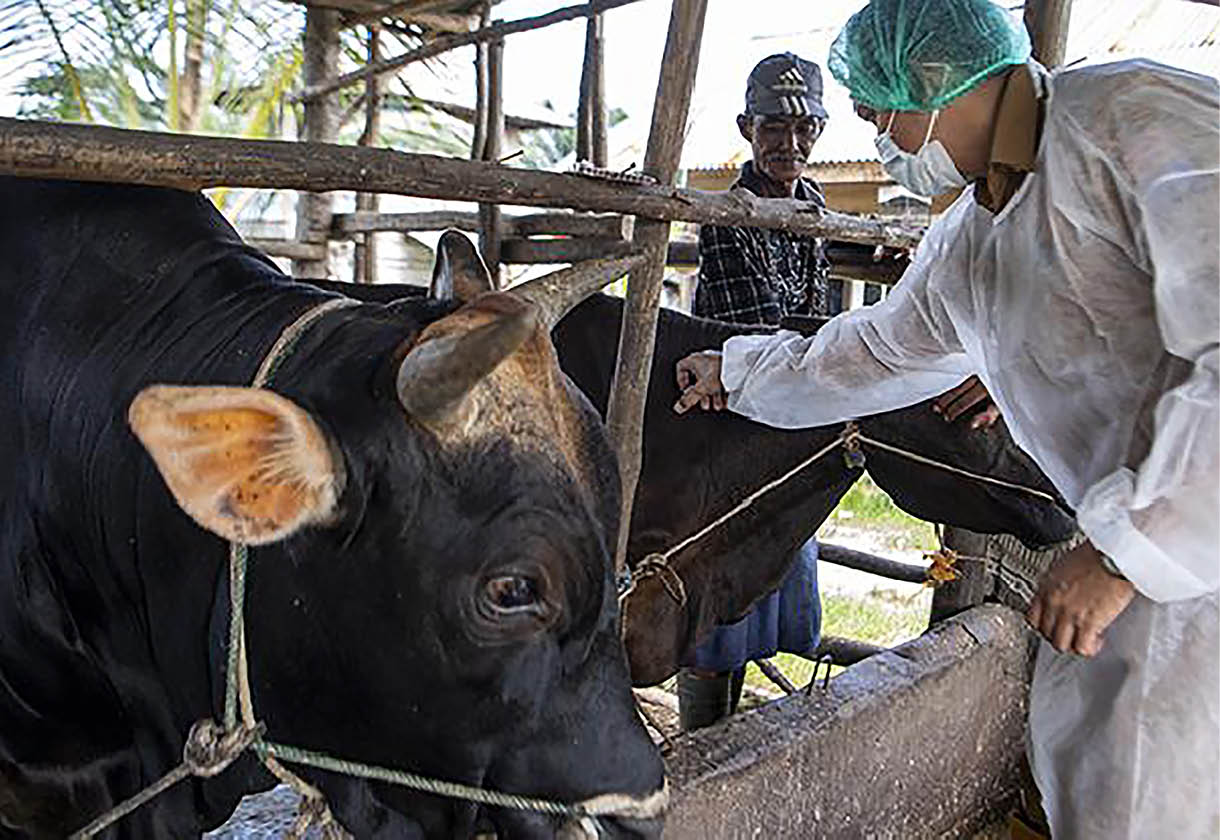













































Driving the health agenda with heart
Prof Ntobeko Ntusi knows how important his role at the South African Medical Research Council (SAMRC) is—and he has the expertise and heart to ensure it benefits all South Africans.
Born and raised in Umtata in the Eastern Cape, Prof Ntobeko Ntusi was drawn to both science and the social factors that shape people's lives from an early age.
After completing an undergraduate liberal arts degree in the United States in Cellular and Molecular Biology and Medical Sociology, Prof Ntusi returned to South Africa to study medicine at the University of Cape Town, graduating with a MBChB in 2003.
He trained as a young doctor at a time when the HIV and AIDS epidemic was devastating communities across the country – an experience that would prove utterly seminal and substantially shape his view of medicine.
Prof Ntusi went on to specialise in internal medicine and later in cardiology, completing his DPhil in Cardiovascular Medicine at the University of Oxford. This was followed by an MD, also in Cardiovascular Medicine, from the University of Cape Town.
As Chair and Head of the Department of Medicine at the University of Cape Town and Groote Schuur Hospital and through various national and international roles, Prof Ntusi became deeply involved in shaping postgraduate training, research strategy, and health policy engagement.
Involvement with national advisory structures, international research consortia, and capacity-building initiatives across the continent reinforced his commitment to advancing science that is relevant, equitable, and impactful.
"This was a natural progression of my journey and it was an opportunity to significantly increase the visibility and impact of my work, as the SAMRC sits at the nexus of science, policy, and societal impact," Prof Ntusi explains.
"My experiences as a clinician, researcher, educator, and institutional leader have all pointed toward the same conviction: that high-quality, locally relevant research is essential to improving health outcomes and addressing inequality and inequity in South Africa and across Africa."
The work of the SAMRC
The core mandate of the SAMRC is to improve the health and quality of life of all South Africans through research, innovation, technology transfer, and translation of evidence into policy and practice.
Therefore, the SAMRC exists to ensure that science serves society and that research does not sit in journals, but actively shapes a stronger, more equitable health system.
At this pivotal moment in South Africa's development, marked by strain on the health system, persistent inequality, and the shift towards National Health Insurance, the role of a research institution like the SAMRC becomes even more critical.
"We invest substantially in research capacity development, taking a pipeline approach from provision of postgraduate scholarships to bespoke postdoctoral, early- and mid-career fellowships," Prof Ntusi shares. "We manage and administer grants and take seriously meeting the development needs of African institutions in providing support and mentorship in research administration and management.
"We host the innovation hub for health research in South Africa, in collaboration with the Technology Innovation Agency, through the Medical Device and Diagnostic Innovation Cluster (MeDDIC)."
All of the SAMRC's work is underpinned by the quality of the partnerships they are able to form, which leverages the investment from the South African government to significantly amplify opportunities for scientists in the country and region.
Cultural imperatives and real-world impact
The SAMRC's central priority is to ensure that solutions to South Africa's health challenges are developed on the continent, not outsourced.
Therefore, a lot of the entity's work focuses on enhancing aspects of culture, looking to build an organisation where all employees have high levels of belonging and fulfilment, and where they can thrive to reach their personal and professional aspirations.
"Over the next five years, we will intensify our focus on the growing burden of non-communicable diseases and mental health, strengthening prevention and implementation science to address the root drivers of illness. We are also continuing our focus on endemic infections, violence and interpersonal trauma, and maternal, child, and adolescent health, recognising that early-life interventions are foundational to breaking cycles and improving national productivity," he says.
"Agility is equally critical. In a context of fiscal constraint and shifting political priorities, the SAMRC must remain evidence-led, responsive, and strategically independent, guided by public health needs rather than short-term cycles."
As health innovations and challenges evolve, the SAMRC will continue to expand its priorities to include digital health and AI, climate change and health, health systems, antimicrobial resistance, genomic medicine, and pandemic preparedness.
In terms of how this research translates into real-world impact, Prof Ntusi says that the SAMRC aligns its research agenda closely with national health priorities and maintains active partnerships with policymakers to ensure evidence moves directly into decision-making spaces.
"An example of this is our alcohol harm reduction research, which has directly informed national debates on liquor regulation and public health policy, providing data on trauma patterns, gender-based violence, and injury.
"During the COVID-19 pandemic, SAMRC modelling and excess mortality analyses from the Burden of Disease research unit shaped national response strategies and resource allocation decisions.
"Our health systems research has also supported improvements in HIV and TB service delivery models, contributing to more efficient testing, treatment initiation, and patient retention strategies. In maternal and child health, evidence generated through our surveillance and intervention studies has informed provincial planning and strengthened early-life health programmes," he explains.
Healthcare and collaboration
Building the next generation of scientists is vital, which is why the SAMRC has implemented a suite of initiatives targeting early-career and historically underrepresented researchers.
This includes competitive scholarships, postdoctoral fellowships, and structured mentorship programmes that pair emerging scientists with experienced investigators across all units.
"We also invest in targeted capacity-building within key areas of national priority, for example, training programmes in epidemiology and clinical trials. These initiatives ensure that young scientists gain both technical expertise and practical experience in translating research into policy and patient impact," Prof Ntusi says.
Beyond individual development, the SAMRC fosters inclusive research environments through partnerships with universities, regional research networks, and community stakeholders.
"Our collaborations in genomics, vaccine development, and infectious disease modelling have enabled the rapid adaptation of global innovations to the South African context.
"Similarly, partnerships on non-communicable disease research bring global best practices into practice with local data, cultural contexts, and implementation capacity," he adds.
At every stage, the SAMRC maintains strategic oversight, co-designing projects with local researchers, policymakers, and communities. This ensures that international engagement strengthens, rather than dictates, the continent's scientific autonomy.
Innovation and the future
Rapid advances in data science, genomics, and digital health mean the world of medicine is constantly evolving.
So, how does the SAMRC ensure it maintains a level of innovation which ensures a consistent level of output?
Prof Ntusi explains: "In data science, the South African Population Research Infrastructure Network allows us to link population-based data across the country, generating robust evidence to guide policy, optimise health system planning, and anticipate public health needs.
"In genomics, the arrival of the MGI T7 high-throughput sequencing platform in 2025, the first in Africa, will dramatically expand South Africa's capacity for large-scale genomic research.
"In digital health, SAMRC initiatives leverage mobile and electronic platforms to strengthen both research and patient care. Our electronic surveillance systems, such as those used in HIV and TB monitoring, enable real-time tracking of disease trends to guide rapid public health responses."
Looking ahead, Prof Ntusi believes that collaboration strengthens everything the SAMRC does, so a focus on building lasting partnerships based on a shared sense of value, respect, health justice, and dignity in research is vital.
"Equally important is clear and accessible communication, sharing findings openly, demonstrating impact by showing tangible improvements in services, and engaging communities directly through research processes. This transparency fosters trust and shows that science is not abstract, it is a practical tool that drives measurable health impact across the country," he concludes.





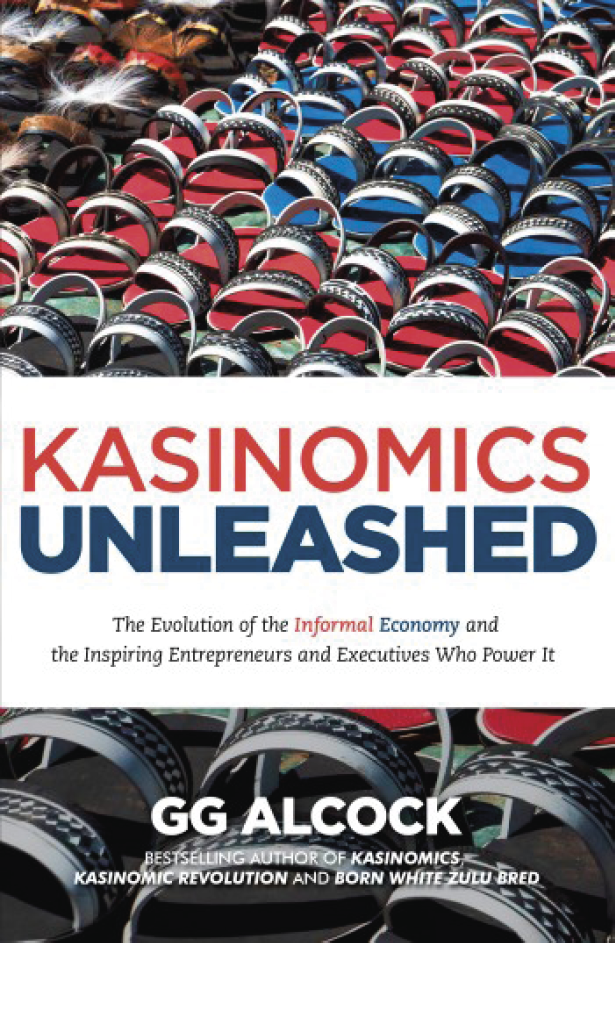




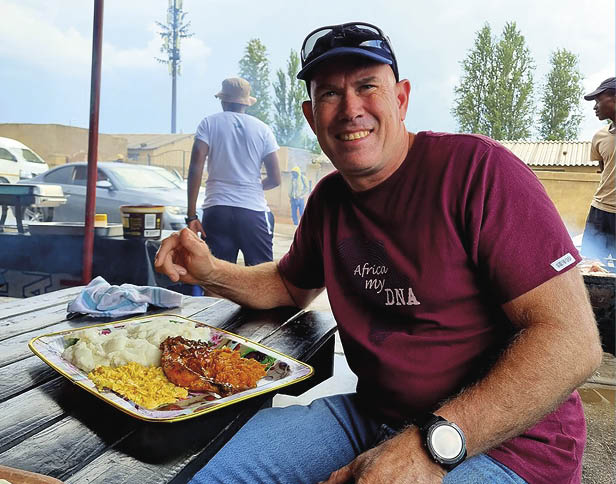










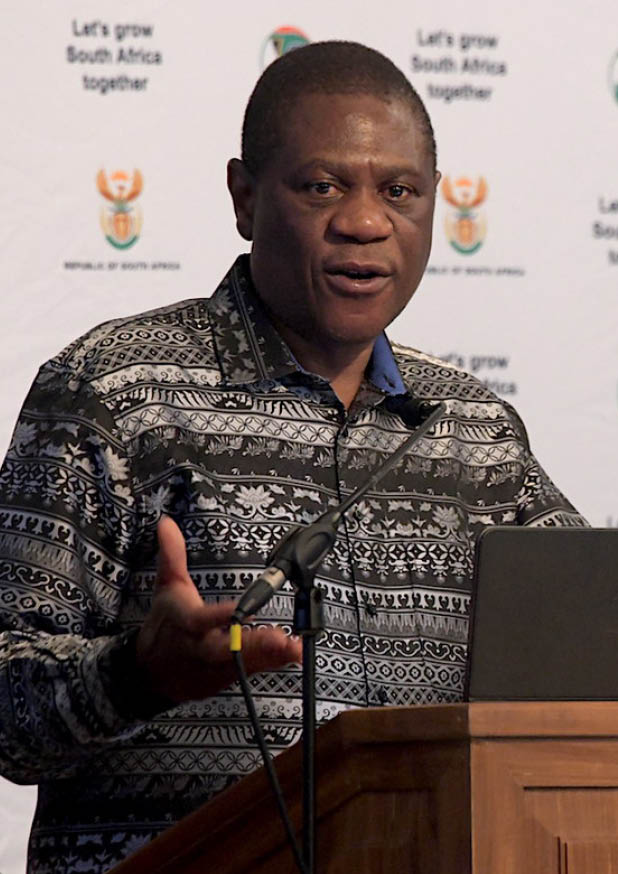




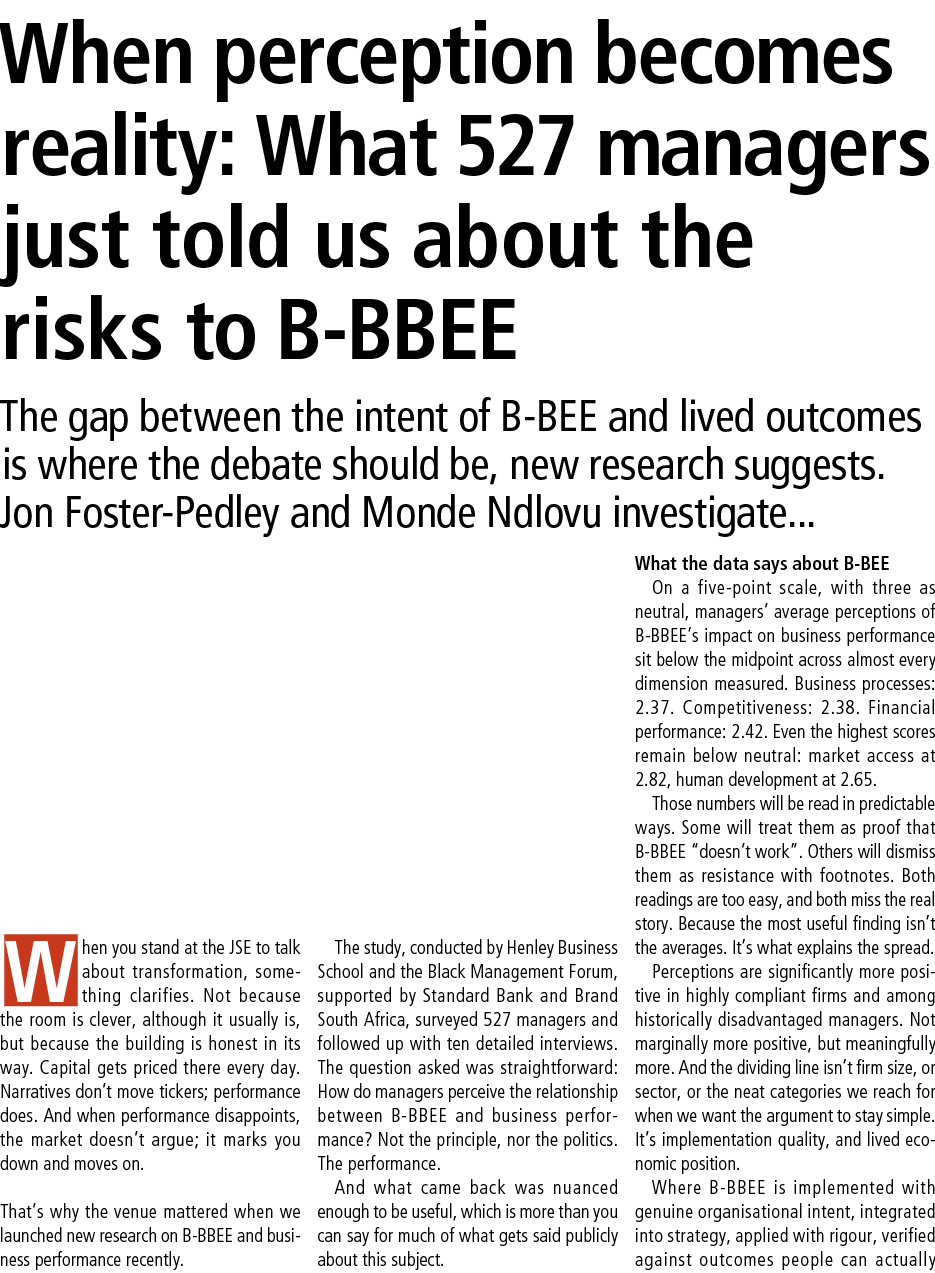


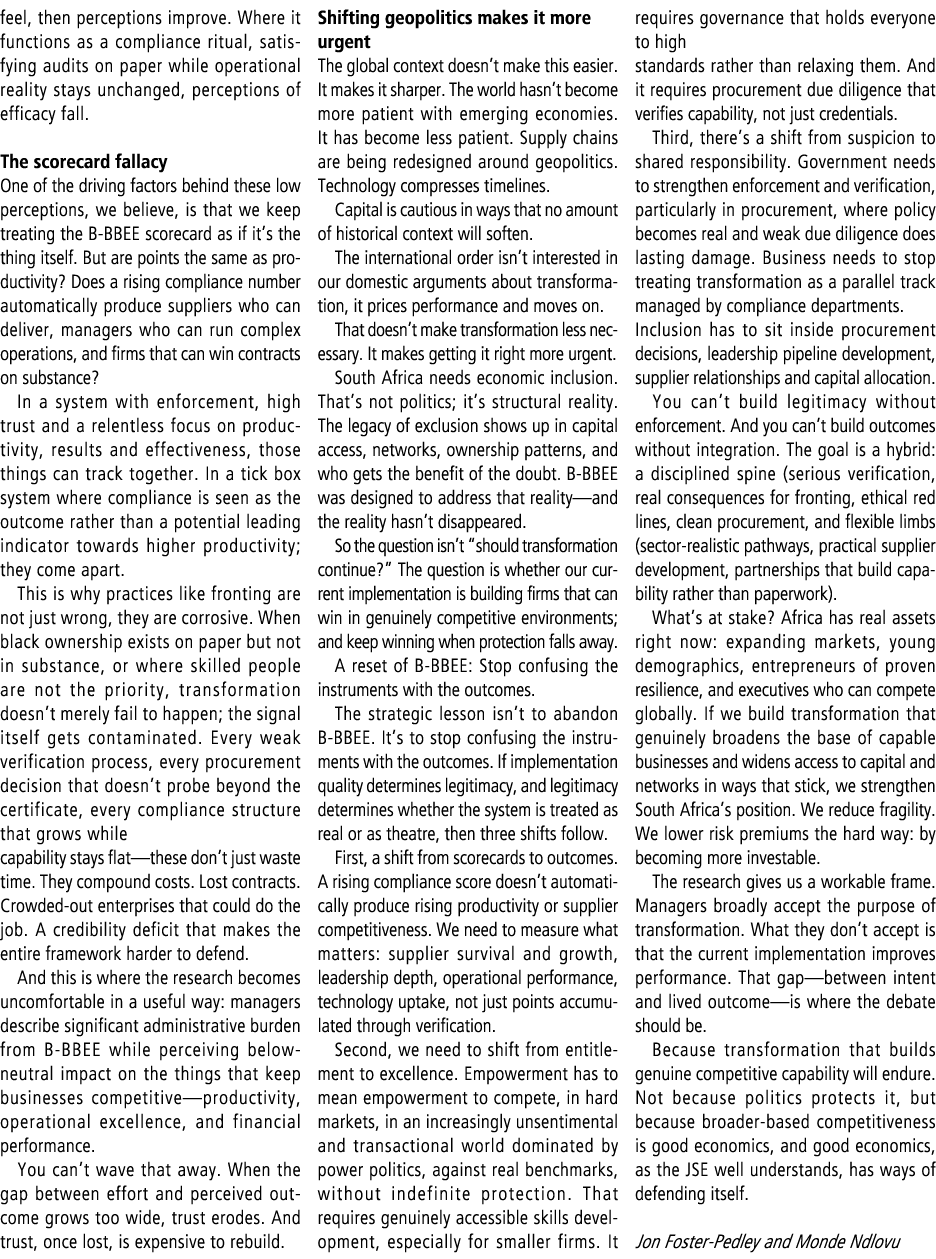

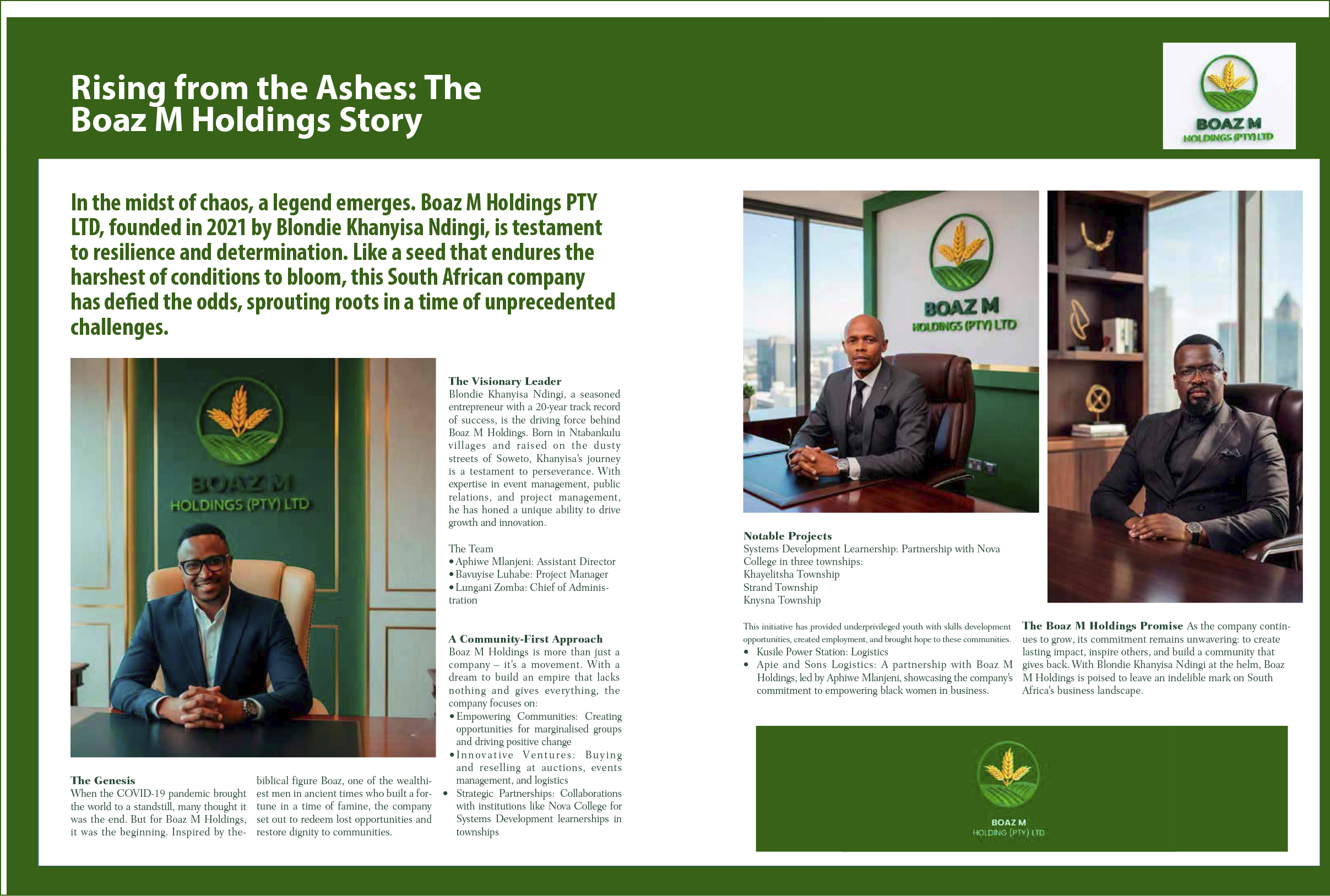
































Navigating Coalition Governance: Lessons from South Africa and the Netherlands
Nasiphi Ndevu analyses a recent seminar on coalition governments and finds that it is not simply about dividing cabinet posts but redefining how power is exercised in a plural society.
Coalition governance has become one of the most important political realities of our time. Around the world, many countries are moving away from single-party dominance toward more fragmented political systems. In these systems, no single party wins a clear majority, and political actors are required to work together to form governments. South Africa is now living this experience at national level for the first time in its democratic history, while countries like the Netherlands have practiced coalition politics for over a century.
At a recent public seminar hosted by the Nelson Mandela School of Public Governance in partnership with the Mapungubwe Institute for Strategic Reflection and the Embassy of the Kingdom of the Netherlands in South Africa, scholars, diplomats, and political leaders gathered to reflect on this new political moment. The conversation brought together South African experiences and Dutch lessons in an open and honest discussion about the challenges and opportunities of coalition governance. What emerged was clear: coalition politics is not simply a technical arrangement. It is a cultural shift. It changes how leaders govern, how parties behave, and how citizens understand democracy.
A New Political Phase for South Africa
For nearly thirty years after 1994, South Africa’s democracy operated largely under single-party dominance at national level. Although the country’s society was diverse and contested, governance was not shaped by coalition agreements in Parliament. That reality has now changed.
The 2024 general election resulted in no single party winning an outright majority. This led to the formation of a Government of National Unity (GNU), bringing together parties that had previously competed fiercely against one another. For many South Africans, this felt unfamiliar and even unsettling. During election campaigns, parties strongly criticise each other. Yet after the election, they must sit at the same table and negotiate shared programmes.
This shift requires political maturity. It demands that parties learn to compete and cooperate at the same time. It also requires citizens to adjust their expectations. Instead of clear majorities and decisive mandates, governance now depends on negotiation, compromise, and shared responsibility.
Learning from the Netherlands
The Netherlands offers an interesting comparison. For over 100 years, Dutch governments have been coalitions. Since the Second World War, every Dutch government has been formed through agreements between multiple parties. Professor Bert Koenders, former Dutch Minister of Foreign Affairs and Professor of Peace, Justice, and Security at Leiden University, shared insights from his country’s experience. He explained that coalition politics in the Netherlands is built on strong institutions, detailed party platforms, and long negotiation processes.
Unlike South Africa’s two-week constitutional deadline to form a government, Dutch coalition negotiations can take several months. During this time, parties do not only divide cabinet positions. They negotiate detailed policy agreements, budget priorities, and risk management plans. They attempt to anticipate future disagreements and agree on how to resolve them before problems arise.
However, Professor Koenders was honest about current challenges. Even in the Netherlands, coalition politics is under pressure. Fragmentation has increased. More small parties have entered Parliament. Public trust in political elites has declined. In recent years, Dutch governments have fallen more frequently. This shows that long experience does not guarantee stability. Coalition governance is an ongoing process of adaptation.
Institutions and Political Culture
A key theme in the seminar was the balance between formal institutions and political culture. Some argue that detailed coalition agreements, legal frameworks, and dispute resolution mechanisms are the key to stability. Others believe that personal relationships, trust, and political maturity matter more. The Dutch experience suggests that both are essential. Strong institutions provide structure. Independent civil servants offer neutral data and policy analysis during negotiations. Constitutional principles remain the foundation of governance.
But institutions alone cannot guarantee success. Coalition politics requires emotional discipline, mutual respect, and a genuine willingness to share power. Leaders must accept that compromise is not weakness but necessity. In South Africa, coalition governance is still developing these cultural habits. Parties are learning how to manage disagreements without collapsing governments. This learning process can be uncomfortable, but it is part of democratic growth.
Coalition Governance in the Western Cape
Former Western Cape Premier Ebrahim Rasool shared valuable practical experiences from provincial coalition politics. The Western Cape has long operated under coalition conditions, often without a single party majority. Rasool described how his party learned to think strategically about partnerships. Instead of simply calling every arrangement a “coalition”, they differentiated between tactical cooperation, strategic partnerships, and deeper alliances based on shared values.
He used powerful metaphors to explain political relationships. Some arrangements were short-term and issue based. Others were more structured and long-term. Understanding the nature of each partnership helped manage expectations and communicate clearly with supporters.
One important lesson from the Western Cape experience is that coalitions must be understood not only as power-sharing arrangements but as tools to achieve defined objectives. Whether stabilising government, improving service delivery, or preparing for future elections, coalitions need clear goals.
The Wild and Wonderful Nature of South African Coalitions
Professor Susan Booysen offered a broad overview of coalition dynamics in South Africa. Her research shows that coalition politics in the country is often unpredictable, creative, and sometimes unstable. At local government level, South Africa has already experienced frequent changes in coalition configurations. Small parties sometimes hold significant power, even with only one or two seats. They can determine majorities, influence mayoral elections, and reshape executive committees.
Professor Booysen explained that in South Africa, there are no permanent partners and no permanent majorities. Parties that compete fiercely at national level may cooperate at local level. Coalition partners may publicly criticise each other while still governing together. This flexibility reflects a political system still experimenting with coalition rules. While some advocate stronger regulation and formal agreements, political parties often prefer informal arrangements that allow strategic manoeuvring.
Small Parties and Majority Manufacturing
One striking feature of South African coalition politics is the role of small and micro-parties. In highly fragmented councils and legislatures, even a single seat can determine who governs. This has led to what Professor Booysen described as “majority manufacturing”. Political actors assemble support one representative at a time. While this can empower smaller voices, it can also create instability if agreements are weak. The debate continues about whether electoral thresholds should be introduced to reduce fragmentation. However, larger parties sometimes benefit from the presence of smaller partners, making reform politically difficult.
Coalition Politics and Public Trust
Beyond technical arrangements, coalition governance raises deeper questions about democracy and public trust. Around the world, many democracies are facing what scholars call democratic recession. Voters often feel disconnected from political elites. Populist movements promise simple solutions and attack coalition politics as weak or ineffective. In Europe, far-right parties have grown stronger in several countries. In some cases, mainstream parties have debated whether to include these movements in coalitions or to isolate them. Each approach carries risks.
The Dutch experience shows that excluding populist parties can allow them to grow in opposition. Including them in government may expose their weaknesses but can also destabilise coalitions. There are no easy answers. For South Africa, the key challenge is to ensure that coalition governments deliver tangible improvements in people’s lives. If coalition politics leads to better services, job creation, and accountability, public trust can grow. If it leads to paralysis and instability, disillusionment may deepen.
Governance Versus Campaigning
One of the most important insights shared during the seminar was the difference between campaigning and governing. In coalition systems, parties must understand that once in government, they represent the entire country, not only their supporters.
Ministers, regardless of party affiliation, are responsible for national interest. They must implement agreed policies, even if compromises were made during negotiations. Public attacks between coalition partners may win short-term political points but can undermine long-term stability. This is especially important in foreign policy, where governments represent the nation on the global stage. Coalition politics must not weaken a country’s credibility internationally.
Throughout the discussion, the importance of constitutional principles was emphasised. South Africa’s Constitution remains one of the strongest foundations of its democracy. Coalition politics must operate within its framework. Institutions such as independent courts, professional public service structures, and parliamentary oversight mechanisms are essential to prevent instability from becoming chaos. Coalition governance does not replace constitutional democracy. It functions within it.
Toward a Mature Coalition Democracy
South Africa’s coalition era is still young. Mistakes will be made. Agreements may collapse. Political tensions will surface. But this does not mean the system is failing. Democracy is not static. It evolves. Countries learn through experience. The Netherlands did not develop a stable coalition culture overnight. It took decades of negotiation, adjustment, and institutional development.
For South Africa, the path forward requires patience, transparency, and accountability. Coalition agreements should prioritise governance outcomes. Political leaders must communicate honestly with citizens about compromises and shared responsibilities. Most importantly, coalition politics must remain people centred. Legitimacy will depend on whether municipalities function effectively, whether corruption is addressed, whether economic opportunities expand, and whether citizens feel heard.
Democracy in Transition
The seminar made one thing clear that coalition governance is not simply about dividing cabinet posts. It is about redefining how power is exercised in a plural society. South Africa is entering a new political phase where authority is negotiated rather than concentrated. This mirrors the diversity of its society. It also reflects global trends toward political fragmentation.
The challenges are real. Instability, public distrust, and ideological tensions can weaken governance. But the opportunities are equally significant. Coalitions can widen representation, deepen accountability, and encourage dialogue across divides. As South Africa approaches future local government elections, the lessons from both domestic experiences and international partners like the Netherlands will be valuable. The task ahead is not to decide whether coalitions are good or bad. It is to make them work.
Democracy does not end once a constitution is written or an election is held. It must be relearned whenever political conditions change. South Africa is now relearning democracy in the age of coalitions. And in that process, its strength will depend not only on political parties, but on citizens who remain engaged, informed, and committed to the shared project of democratic governance.
Nasiphi Ndevu


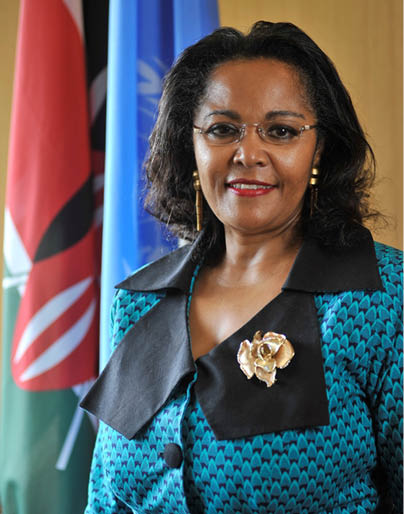

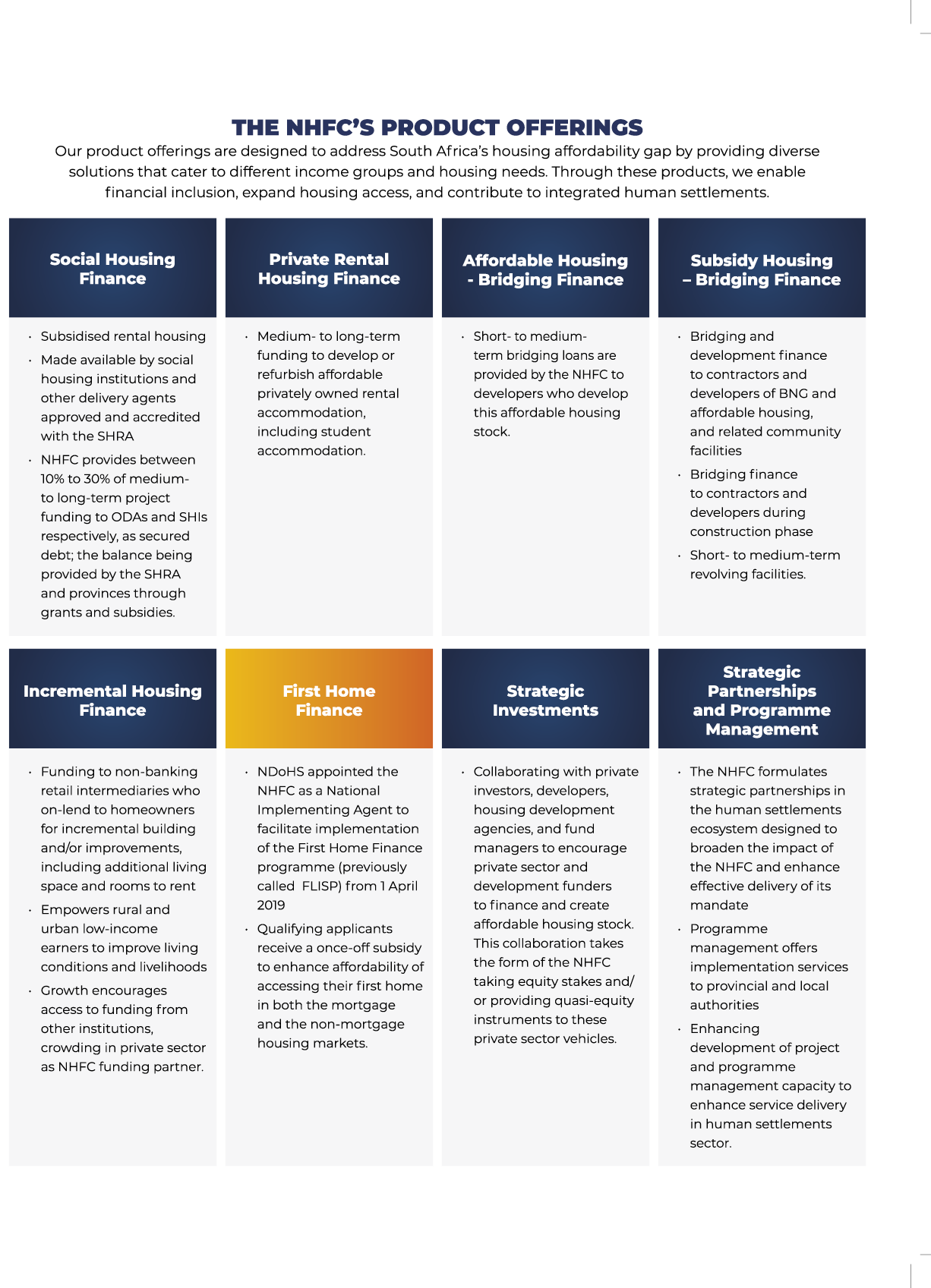
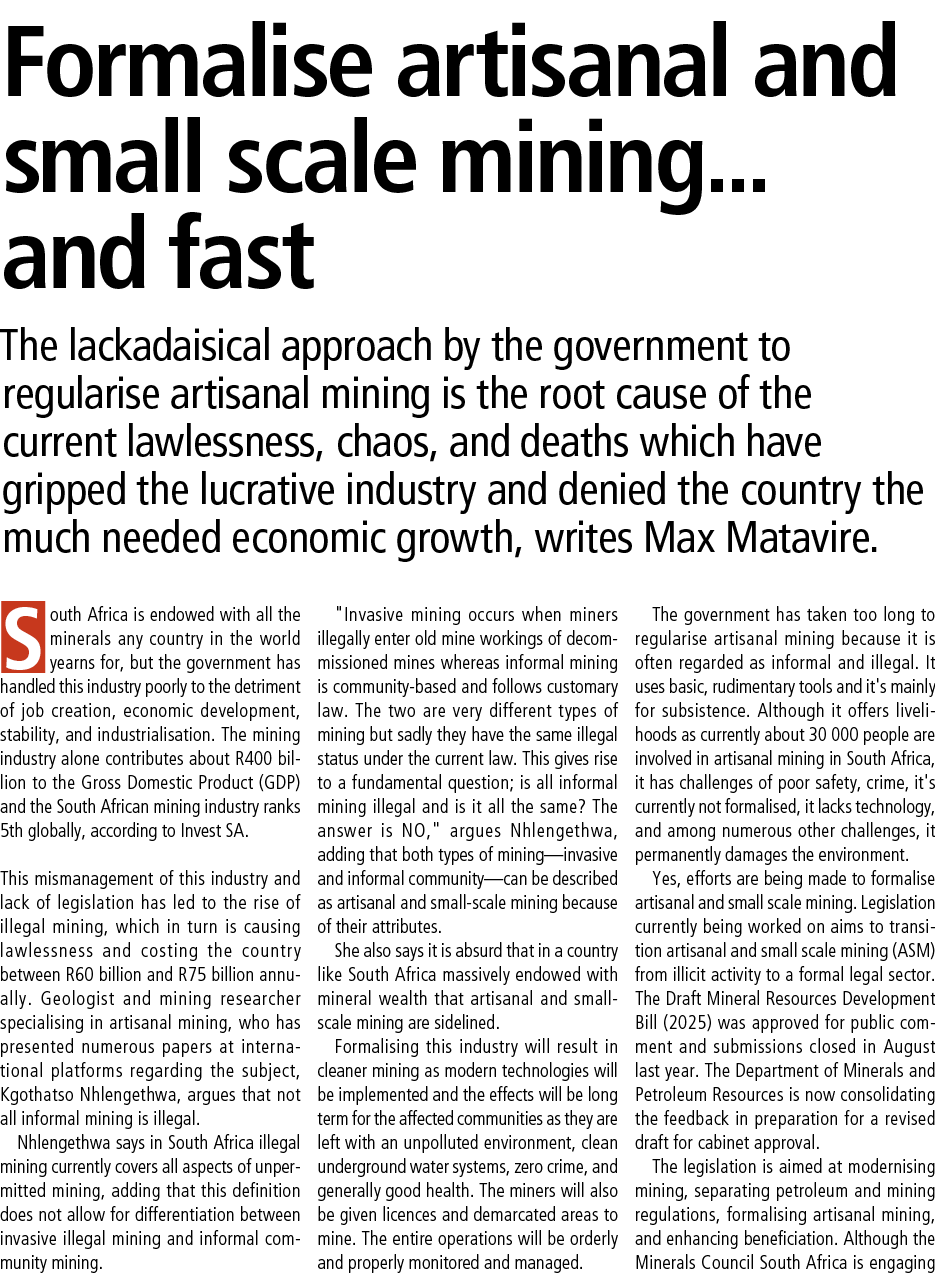




Formalise artisanal and small scale mining... and fast
The lackadaisical approach by the government to regularise artisanal mining is the root cause of the current lawlessness, chaos, and deaths which have gripped the lucrative industry and denied the country the much needed economic growth, writes Max Matavire.
South Africa is endowed with all the minerals any country in the world yearns for, but the government has handled this industry poorly to the detriment of job creation, economic development, stability, and industrialisation. The mining industry alone contributes about R400 billion to the Gross Domestic Product (GDP) and the South African mining industry ranks 5th globally, according to Invest SA.
This mismanagement of this industry and lack of legislation has led to the rise of illegal mining, which in turn is causing lawlessness and costing the country between R60 billion and R75 billion annually. Geologist and mining researcher specialising in artisanal mining, who has presented numerous papers at international platforms regarding the subject, Kgothatso Nhlengethwa, argues that not all informal mining is illegal.
Nhlengethwa says in South Africa illegal mining currently covers all aspects of unpermitted mining, adding that this definition does not allow for differentiation between invasive illegal mining and informal community mining.
"Invasive mining occurs when miners illegally enter old mine workings of decommissioned mines whereas informal mining is community-based and follows customary law. The two are very different types of mining but sadly they have the same illegal status under the current law. This gives rise to a fundamental question; is all informal mining illegal and is it all the same? The answer is NO," argues Nhlengethwa, adding that both types of mining—invasive and informal community—can be described as artisanal and small-scale mining because of their attributes.
She also says it is absurd that in a country like South Africa massively endowed with mineral wealth that artisanal and small-scale mining are sidelined.
Formalising this industry will result in cleaner mining as modern technologies will be implemented and the effects will be long term for the affected communities as they are left with an unpolluted environment, clean underground water systems, zero crime, and generally good health. The miners will also be given licences and demarcated areas to mine. The entire operations will be orderly and properly monitored and managed.
The government has taken too long to regularise artisanal mining because it is often regarded as informal and illegal. It uses basic, rudimentary tools and it's mainly for subsistence. Although it offers livelihoods as currently about 30 000 people are involved in artisanal mining in South Africa, it has challenges of poor safety, crime, it's currently not formalised, it lacks technology, and among numerous other challenges, it permanently damages the environment.
Yes, efforts are being made to formalise artisanal and small scale mining. Legislation currently being worked on aims to transition artisanal and small scale mining (ASM) from illicit activity to a formal legal sector. The Draft Mineral Resources Development Bill (2025) was approved for public comment and submissions closed in August last year. The Department of Minerals and Petroleum Resources is now consolidating the feedback in preparation for a revised draft for cabinet approval.
The legislation is aimed at modernising mining, separating petroleum and mining regulations, formalising artisanal mining, and enhancing beneficiation. Although the Minerals Council South Africa is engaging the department to ensure the new regulations support investment and growth, the contention is on its definition of "controlling interests" and its impact on investment.
There is also the SA 2022 Artisanal and Small scale Mining Policy also currently under amendment as it has loopholes such as the extent to which ASM permits are capped, for example, mining permits being limited to five hectares but the policy does not cap these permits which could lead to abuse of the system as permit holders could use this as a back door to obtain less onerous rights over large tracts of land.
However, the policy objectives are noble as it focuses on economic growth, job creation, and empowering historically disadvantaged people through the permit system.
The long absence of such legislation has seen an increase in illegal miners commonly referred to as zama zamas. It is estimated that there are between 10 000 and 30 000 zama zamas throughout the country mostly operating in Gauteng, Mpumalanga, North West, Limpopo, and the Northern Cape. These are groups of now mostly foreign nationals from Lesotho, Zimbabwe, and Mozambique who illegally enter disused mines. They are dangerous as they carry guns and can kill anyone in their path who tries to stop them from mining.
They also occasionally clash among themselves as they fight for turf. They are also co-opted into syndicates by rich people who use them to do the mining and there has been talk of politicians being behind these zama zama syndicates. The aim of the formalisation of artisanal and small scale mining is also to separate small scale subsistence miners from organised crime syndicates, streamlining bureaucratic hurdles and setting specific requirements for small scale mining permits.
In South Africa about 250 000 people directly or indirectly rely on the proceeds of artisanal mining. National Association of Artisanal Miners (NAAM) national spokesperson Zethu Hlatshwayo says he is satisfied with the manner the regularisation of the industry is going on. In an interview with BBQ Magazine, Hlatshwayo says they started in 2018 with only 100 members from a few provinces but now they have spread throughout the country and boast a membership of about 100 000.
"We are an advocacy group and we are a vehicle to carry the aspirations of artisanal and small-scale miners. We participated in the drafting of the legislation and our input was included in the policy. We are happy that the legislation will allow us to have permits and restore our dignity. We are a legal entity and we work with the Minerals and Petroleum Resources department. We do not go about digging everywhere - instead we have designated sites," says Hlatshwayo.
He lambasted zama zamas and called on them to join NAAM so that they speak with one voice and that they should be registered. The government should now move with speed and formalise this industry which has seen rogue elements terrorising communities making them to abandon their homes as they flee to safety.This industry has great potential to create the much needed jobs, boost the economy, and curb crime.
*Nkosinathi Dlula* (not his real name), a former miner in the Vaal, Gauteng who was retrenched together with 150 others when their mine closed in 2023, and now a zama zama paints a grim picture of survival. "It's not easy what we are doing, but we have to put food on the table for our families," he says as he describes zama zama operations.
"It's a dog eat dog out there. After our mine was closed, 10 of us came together and decided to go back to the mine and re-open the sealed shafts and started mining. It's dangerous both underground and on the surface as there are turf wars. You often encounter other groups also mining and skirmishes start. Zama zamas carry guns and there is a lot of blood being shed in these operations—people are dying and continue to die," he says, adding they have to survive and that is why they do illegal mining.
However, he expressed hope that at least the government was doing something to formalise artisanal and small-scale mining although he mourns why it has taken so long.