
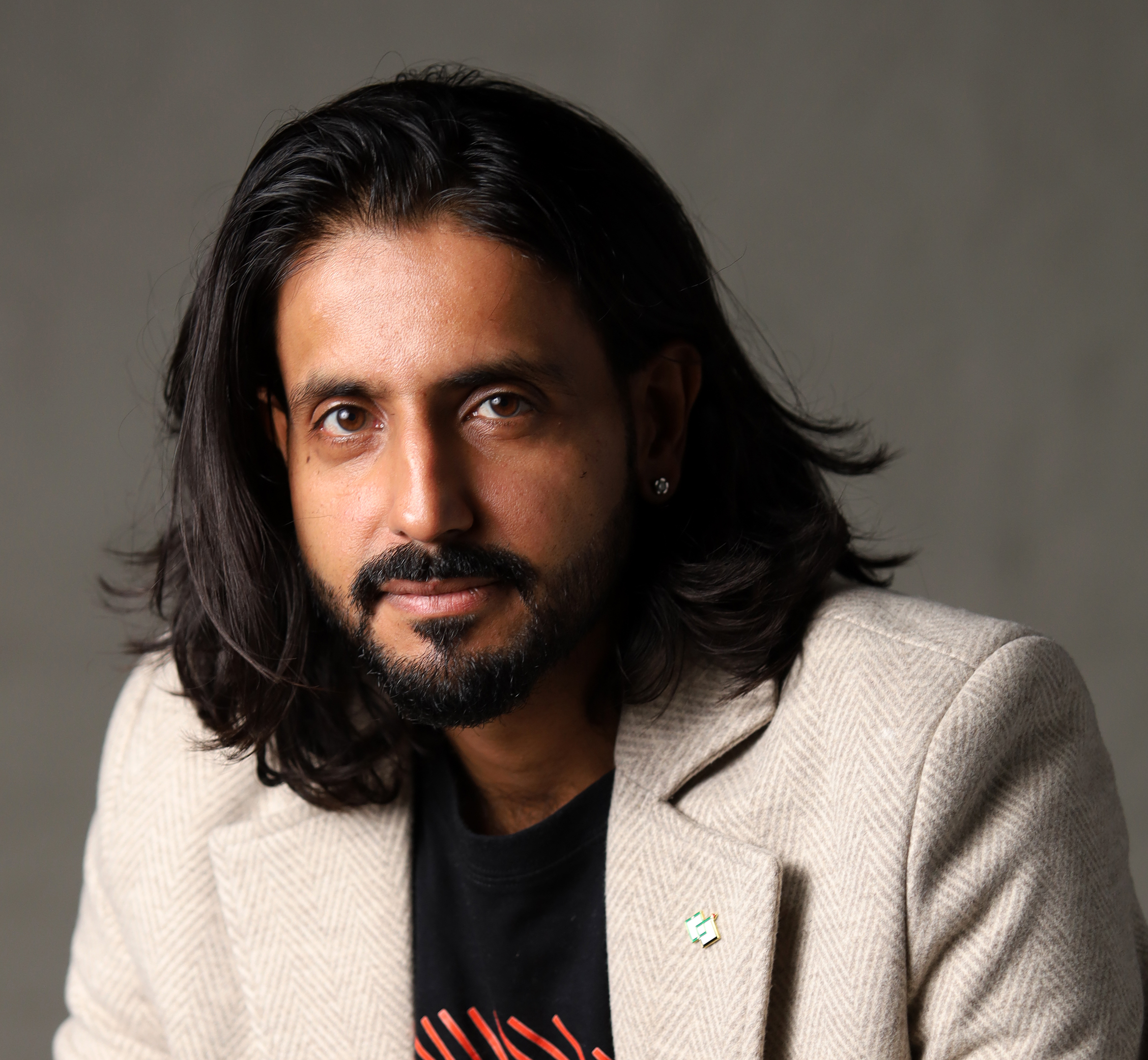
We must be vigilant and remember that writing a cheque instead of rewriting internal systems that perpetuate exclusion is the easy way out, and the easy way is usually not the best way, writes Hiten Keshave.
South Africa’s transformation journey stands at another crossroads. The government is reportedly considering a new policy that would allow non-listed companies to achieve Level 3 BEE compliance by paying 3% of their revenue into the R100 billion Transformation Fund that was launched earlier this year.
At first glance, the idea sounds progressive; a structured, revenue-based route that promises to unlock around R40 billion a year for transformation. However, beneath the simplicity lies a crucial question of whether the model will enable real change or simply absolve companies from the harder (but more meaningful) work of inclusion, mentorship, and shared ownership.
Working in SME empowerment, I’ve always believed in two things; transformation is not a tick box exercise and empowerment should never come with a price tag. A levy-based compliance route risks turning empowerment into a transaction rather than transformation, and if empowerment becomes something companies can buy, we risk hollowing out the very intent of BEE, which was to create shared prosperity, not paid compliance.
When Compliance Becomes Currency
On paper, a 3% price tag sounds miniscule and manageable, but only until you do the math. Unlike the current BEE requirement, which allocates 3% of net profit after tax to enterprise and supplier development, this proposal pegs the figure to revenue, not profit.
That means a company with a 5% profit margin would effectively sacrifice over half its profits for compliance. For many businesses, especially those operating on thin margins, a 3% levy on gross revenue could mean the difference between breaking even and going under.
So, while the simplicity of a revenue-based levy makes it easier to enforce, it’s also blunt and unsustainable, punishing productive companies rather than rewarding transformative ones.
The DA has already come out swinging, warning that taking billions from businesses every year to funnel into a single fund that the state ultimately controls is a recipe for disaster.
They’re not wrong to worry. As a country, we have a poor track record of fund governance, and we’ve seen too many public funds fall prey to political capture or inefficiency.
If we’re looking for a blueprint, the Automotive Industry Transformation Fund (AITF) offers valuable lessons. Since its launch in 2020, the AITF has invested over R600 million, supporting more than 70 black-owned enterprises and creating 2 700 jobs, proving that an industry-led, outcomes-driven fund can work when governance, accountability, and industry alignment are in place.
However, even with its success, the AITF still faces uphill battles. The industry is at an all time low, with black industrialist participation at only 7%, which is far from the 2035 target of 25%. This shows that money alone doesn’t guarantee transformation. It takes mentorship, market access, skills development, and an ecosystem that nurtures small suppliers.
If this new Transformation Fund doesn’t embed those same principles, it risks becoming a glorified collection basket rather than a catalyst for growth.
The Opportunity (If Done Right)
Without robust oversight, a centralised transformation fund could benefit intermediaries more than communities, undermining existing BEE efforts and creating a two-speed system, where small players do the real work of transformation while larger ones just pay to pass.
I am all for simplifying compliance but not at the expense of diluting accountability. South Africa doesn’t need easier transformation. We need smarter transformation. Companies that invest directly in people, suppliers, and ownership models should be rewarded, as opposed to those that find the most convenient, often financial shortcut. Transformation funds, if used, should be co-investment vehicles, not substitutes for real inclusion.
At Unconventional CA, we’ve seen firsthand that transformation succeeds only when people and businesses grow together, and we advocate for a model where capital, capability, and collaboration intersect.
There’s no shortage of working models to learn from. Across Africa and beyond, several economies are driving SME growth without race-based ownership quotas. In Kenya, for instance, the Kenya Industry and Entrepreneurship Project (KIEP 250+) have supported more than 250 high-potential SMEs through performance-based grants, and the Kenya Industrial Estates programme trained over 45 000 entrepreneurs and created 23 000 new jobs in just one year.
In Latin America, initiatives like New Ventures has taken a similar approach, supporting over 1 000 social and environmental enterprises across Mexico, Brazil, and Colombia through acceleration programmes and access to capital with no ownership mandates required.
These examples show that true empowerment isn’t about transferring shares but about transferring skills, opportunities, and access. When transformation is rooted in capability rather than compliance, the impact is deeper, more sustainable, and better for the economy.
If government and business can align around this principle, this policy could evolve from a controversial idea into a catalyst for inclusive growth.
But for now, we must be vigilant and remember that writing a cheque instead of rewriting internal systems that perpetuate exclusion is the easy way out, and the easy way is usually not the best way.